Native American ideas influenced Revolution and US government
Summary and headline written by AI from the source article. How we work
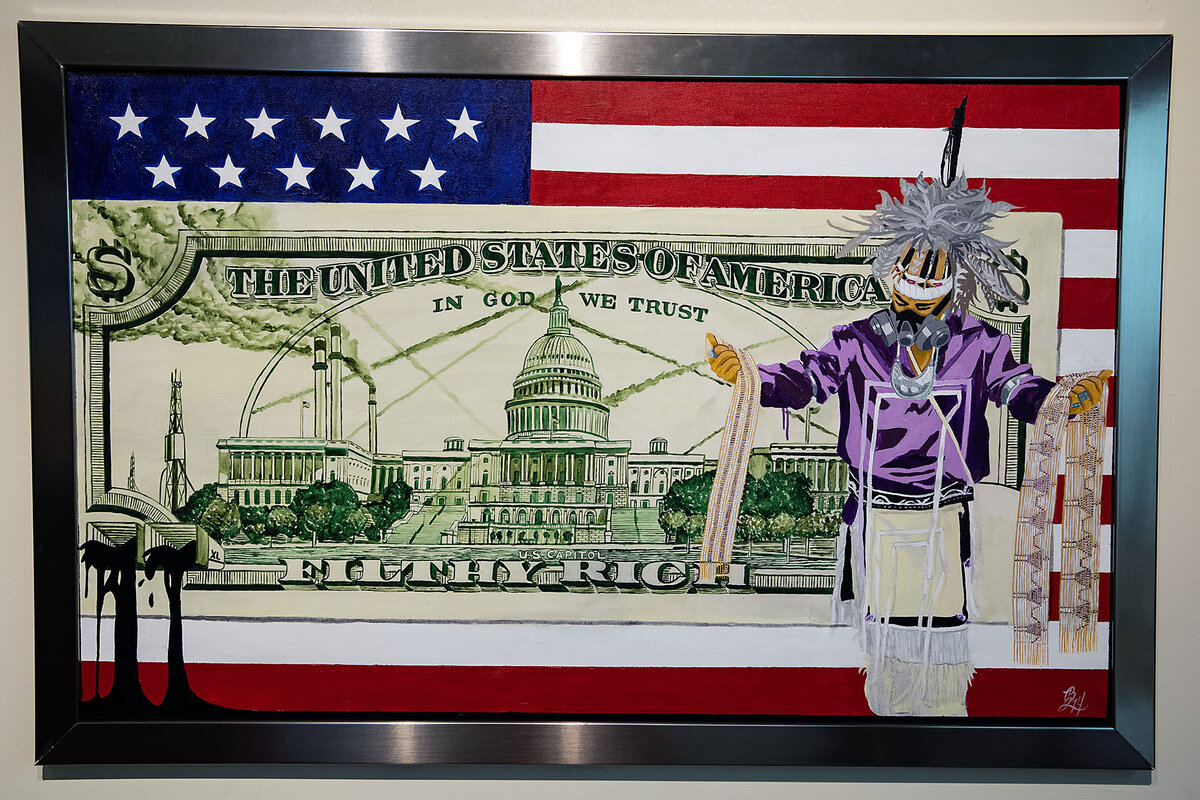
Brandon Lazore, a member of the Onondaga Nation in New York, points out that the phrase “We the People” originated with Native American governance, where power rested with the people. He and other artists are exhibiting work that explores the complex relationship between Native Americans and the United States as the country marks 250 years of independence.
Decades before the American Revolution, the Iroquois Confederacy regularly advised colonists, recognizing their ambition and offering guidance on surviving in North America.
Canassatego, an Iroquois elder, urged colonial leaders in 1744 to unite, demonstrating the strength of unity with a bundle of arrows. This imagery was later adopted for the Great Seal of the United States. After the Revolutionary War, Native American nations controlled much of the land that would become the United States, and for a time, the societies learned from each other.
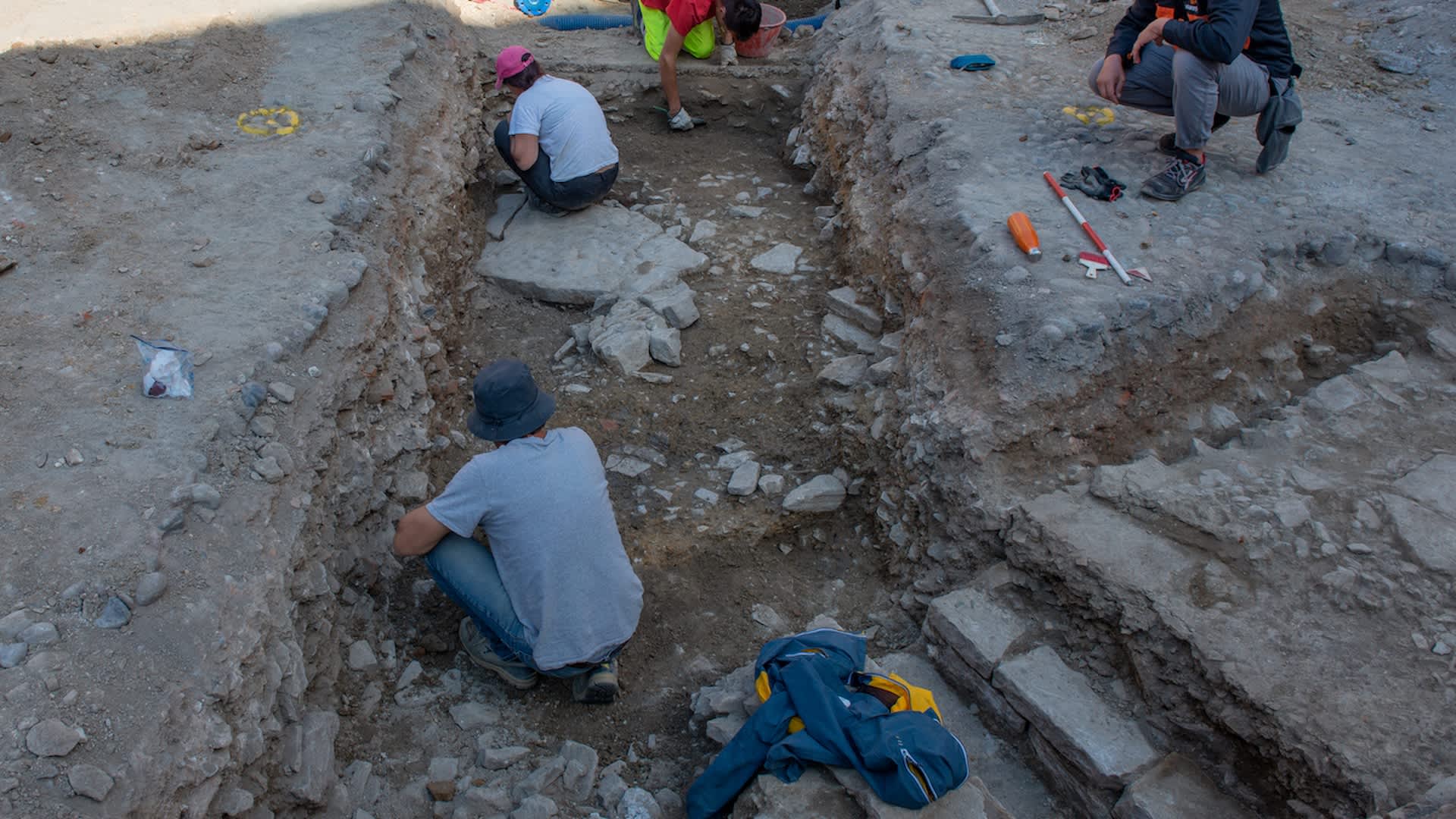
However, the Northwest Ordinance of 1787, passed by the Congress of the Confederation, set the stage for westward expansion and conflict with Native American nations. George Washington, as president, faced the dilemma of balancing expansion with fair treatment of Indigenous peoples, a challenge that continues to shape American Indian policy. Stories from places like Rome, New York, and Lewistown, Pennsylvania, reveal further details of these interactions.
Dorcas Buchanan, an Irish immigrant, established a trading post and tavern in Pennsylvania, and her resilience in the face of conflict encouraged other settlers to return. While the Revolutionary period presented opportunities for cooperation, it also led to conflict and displacement, as seen in battles like the one on the upper Wabash River in 1791, where Native American forces decisively defeated a U.S. army.
Artists like Alex Jacobs express hope that the principles of peace and resilience embedded in Haudenosaunee culture will continue to influence American democracy.