Germany reaches record high for renewable energy generation
Summary and headline written by AI from the source article. How we work
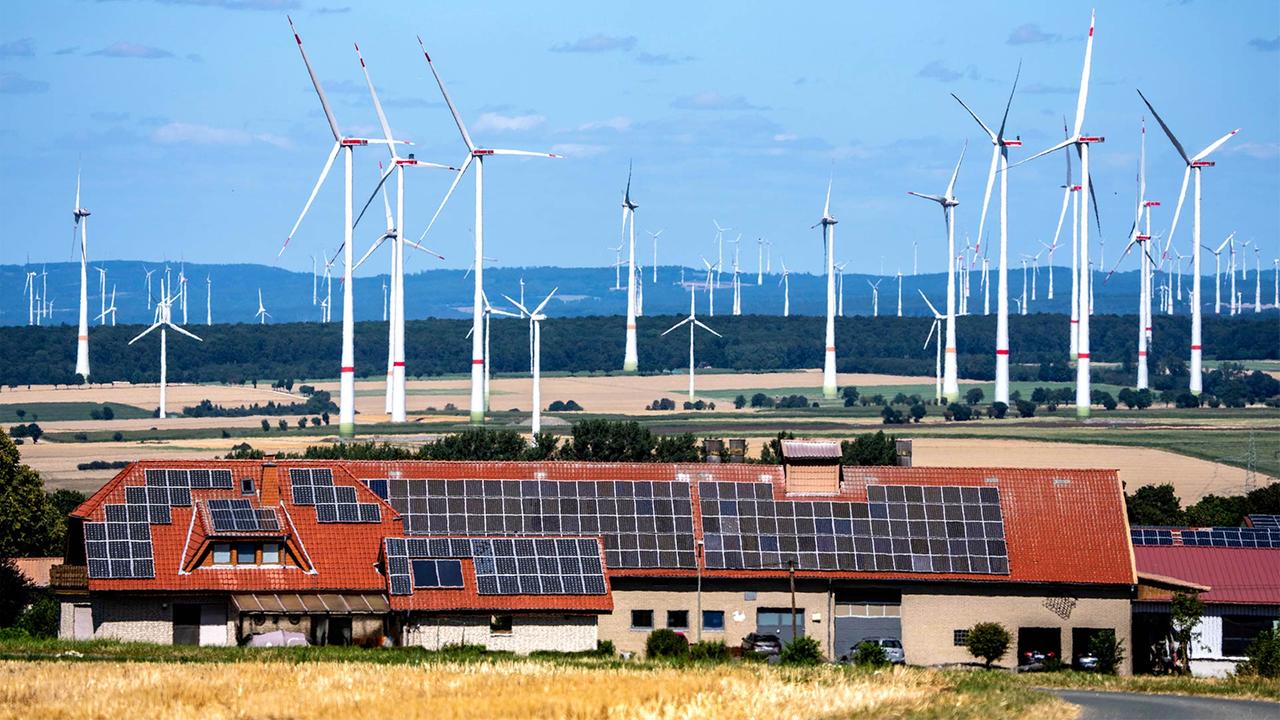
Germany generated a record amount of electricity from renewable sources during the first half of 2026. Renewable energies accounted for 59.1 percent of the country’s net electricity supply, an increase of 1.1 percentage points from the same period a year earlier.
The German Federal Statistical Office reported that wind, solar, and biogas together delivered 136.4 billion kilowatt-hours of electricity. While conventional energy sources also increased production by 1.7 percent, their share of the total decreased to 40.9 percent.
Germany has been producing more electricity from renewable energy than from fossil fuels since 2023. Wind power remained the most important renewable energy source, increasing its share to 29.4 percent, a 2.1 percentage point rise. Statisticians noted that this significant increase in wind power stemmed from a comparison to the first half of 2025, which experienced unusually calm weather. Solar photovoltaic generation also rose by 3.5 percent, reaching a 17.8 percent share of the total electricity supply.
Germany intends to phase out coal-fired power generation by 2038. To ensure a stable power supply when renewable sources are insufficient, the German government approved the construction of new gas-fired power plants. The country also decreased its reliance on imported electricity, with imports falling by 8.7 percent and exports increasing by 14.9 percent.