Germany Faces Pressure to Deliver Climate Plan
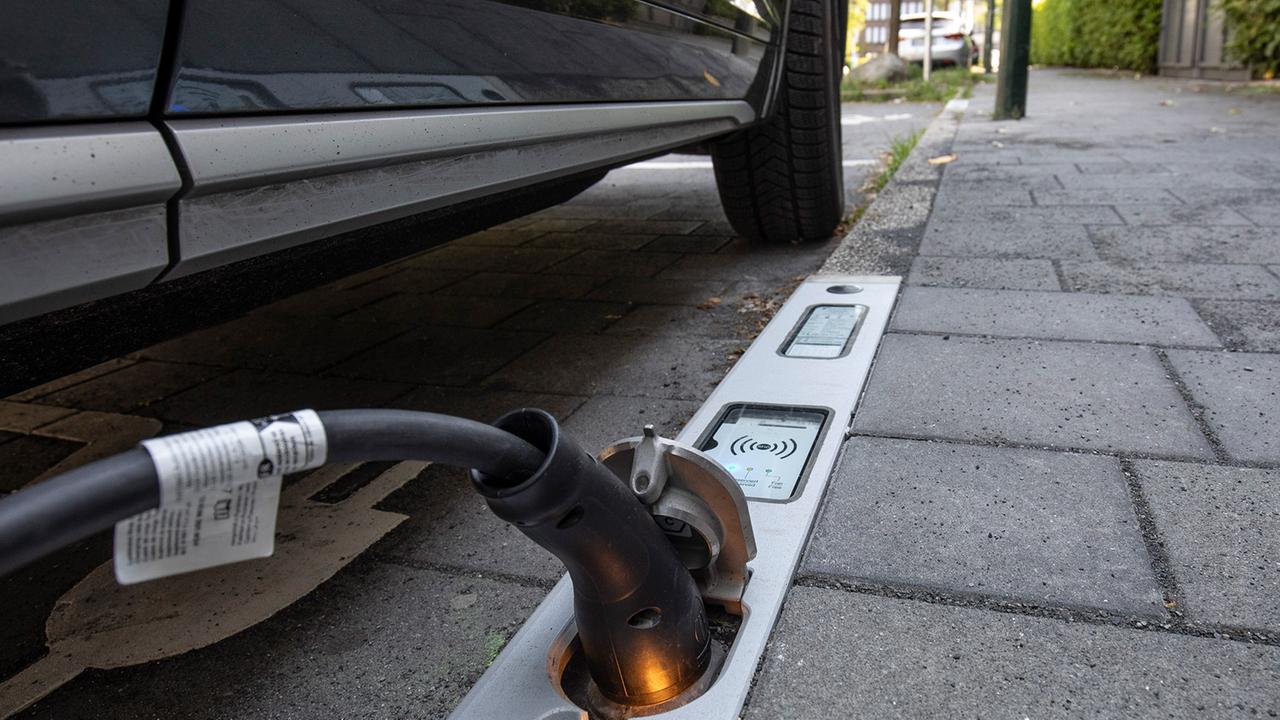
Why this is here: The city of Düsseldorf is integrating electric vehicle charging stations into curbside sidewalks, demonstrating a practical approach to climate protection while the federal government struggles to meet its broader emissions goals.
Germany’s federal government is legally obligated to approve a new climate protection program today, facing potential lawsuits if it fails to meet its emissions reduction targets. The country aims to reduce greenhouse gases by 65% by 2030, 88% by 2040, and achieve climate neutrality by 2045.
Current emissions reports show progress has stalled, with a minimal reduction in 2025. To reach the 2030 goal, Germany needs to cut emissions by roughly 42 million tons of CO2 annually, but is currently far behind. Calculations indicate existing measures will only achieve a 62.6% reduction compared to 1990 levels, leaving a gap of about 30 million tons.
Experts point to slow expansion of wind power, electric vehicle registrations, and continued use of oil and gas heating as key factors. While the energy sector shows progress, emissions in transportation and buildings are stagnating or rising. Cities like Düsseldorf are implementing innovative solutions, such as integrated charging curbs for electric vehicles, but face bureaucratic hurdles and funding issues.