Grube Messel: Unearthing Eocene Life in Germany
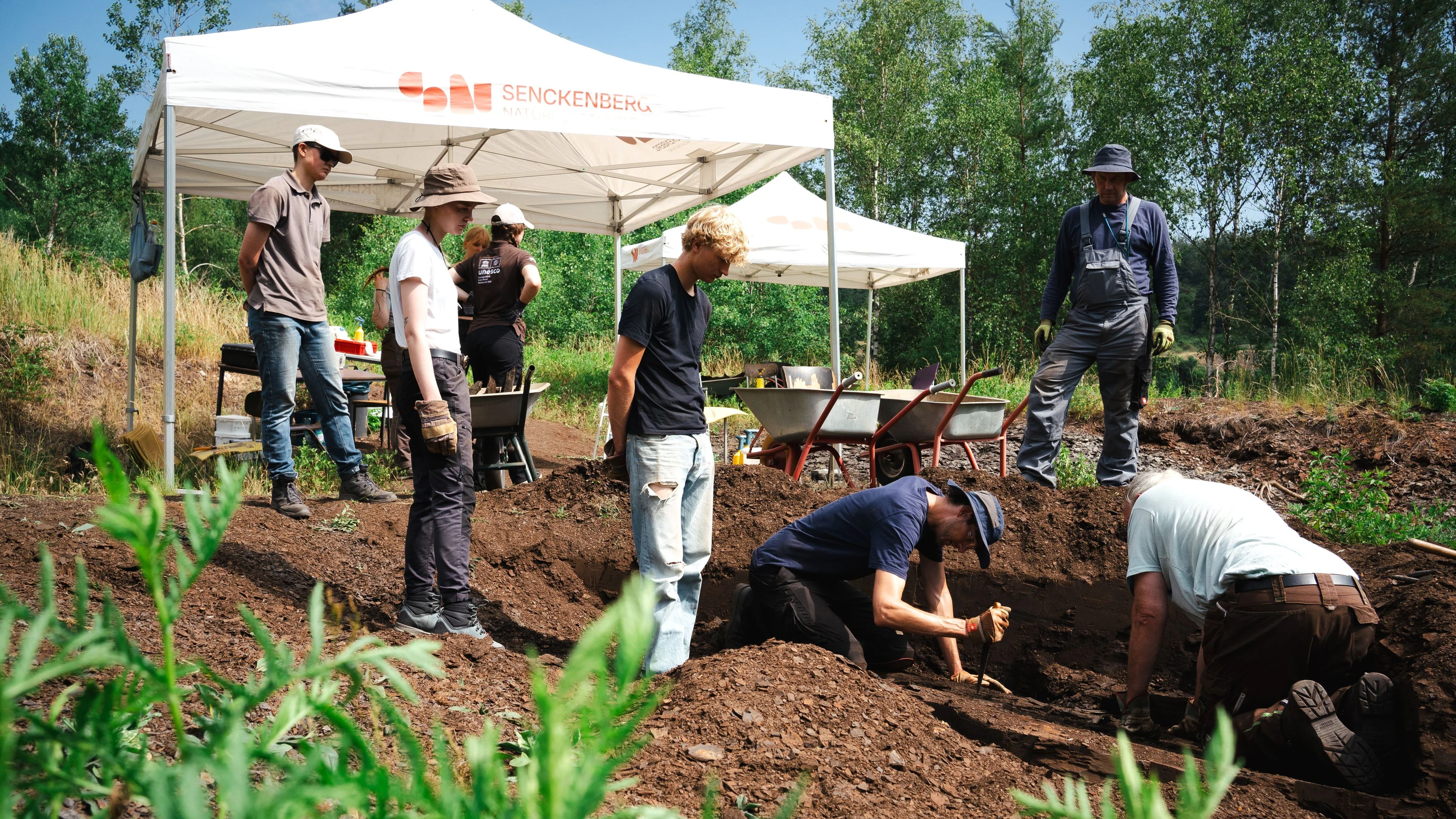
Philipe Havlik manages the Grube Messel near Darmstadt, Germany, a UNESCO World Heritage site renowned for its exceptionally well-preserved fossils dating back 48 million years. The former oil shale mine and wartime fuel source is now a paleontological treasure trove.
Researchers from Senckenberg and the Darmstadt Museum currently excavate the site, having already discovered over 1400 species, from early horses to insects and plants, preserved in the site’s unique shale deposits. The Grube Messel’s history is complex.
Initially exploited for iron ore, it transitioned to oil shale mining in the 19th century. After WWII, the site faced a proposal to become a landfill, a plan fiercely opposed by local citizens and scientists who recognized the area’s paleontological importance.
Today, Havlik aims to expand the site beyond paleontology, incorporating the history of mining, wartime labor, and the environmental activism that saved it. Visitor numbers have doubled in recent years, reaching approximately 50,000 annually, and Havlik hopes to make the Grube Messel a destination for every student in the state of Hesse.
Surfaced by the Discovery lens — one of the vital signs ovr.news reads.
How we evaluated this
AI summary
read the original for the full story — Read on faz.net . How we work →