Museums Evolve into Community Spaces
Why this is here: The Museu de Favela in Rio de Janeiro considers its residents—not objects—as its most important collection, actively involving them in exhibitions, lectures, and workshops.
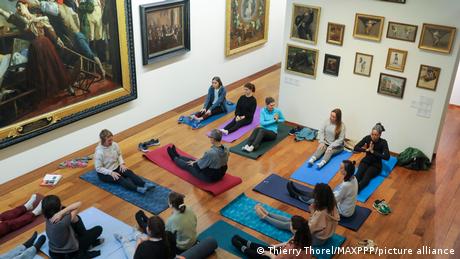
In Germany and worldwide, museums are shifting from solely displaying objects to fostering interaction and community engagement. Museum expert Sandro Debono points to the 2022 ICOM definition, which emphasizes inclusion and social participation as core museum functions. This represents a change from earlier definitions focused on service to society without direct public involvement.
Ideas originating in Latin America—where participatory museum concepts date back to the 1970s—are now gaining global traction. Museums like the Museu de Favela in Rio de Janeiro prioritize residents as the primary “collection,” integrating them into all aspects of the museum.
European museums are also adapting, with state funding increasingly tied to social relevance. The Bundeskunsthalle in Bonn established a permanent “Citizens’ Forum” to advise on accessibility and inclusivity.
However, a study of the Stedelijk Museum in Amsterdam stresses that lasting change requires consistent, long-term youth programs, not isolated events. The work to fully integrate communities into museum life continues.
Surfaced by the Discovery lens — one of the vital signs ovr.news reads.
How we evaluated this
AI summary
read the original for the full story — Read on dw.com . How we work →