Floods reveal hidden structures near a 700s palace in Syria
Headline and summary by local AI
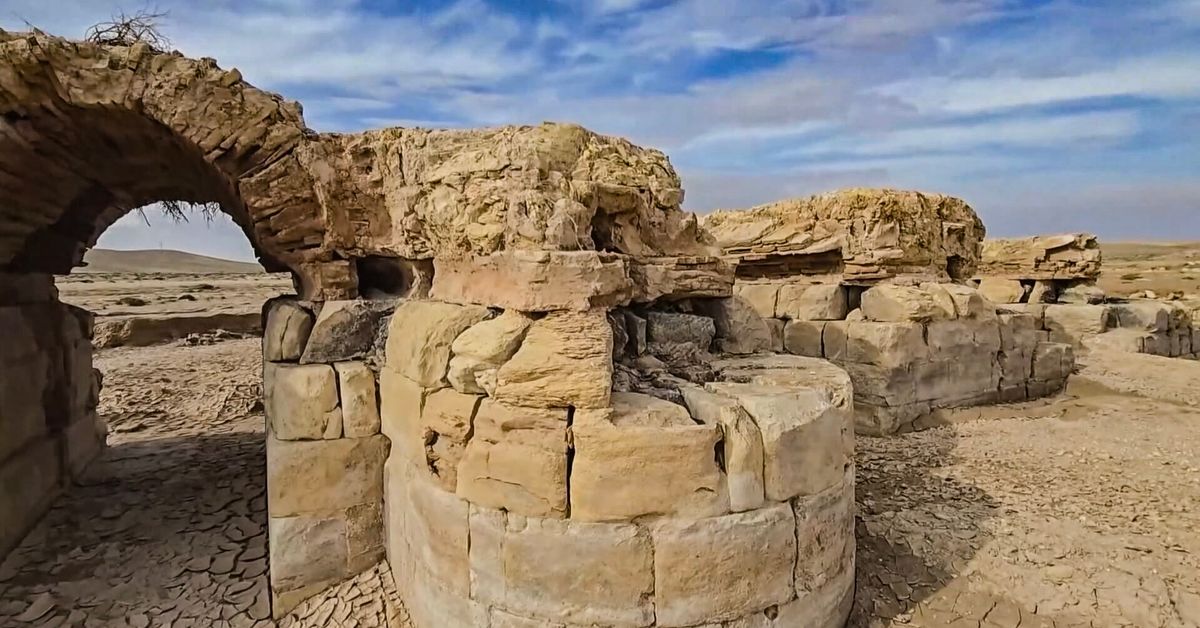
Heavy rains and floods uncovered archaeological structures near the Qasr al-Hayr al-Sharqin palace in the Syrian desert.
The floods washed away soil and sediment in the Homs countryside, exposing stone arches and towers that were previously hidden underground. Before these floods, only the ruins of the palace were visible to observers. The palace and its surrounding urban complex served as a retreat for Hisham ibn Abd al-Malik, a caliph of the Umayyad dynasty.
Historians consider the site a significant example of Umayyad art and architecture, a style that spread to various Islamic cities and Andalusia, a region in Spain. Archaeologists now emphasize the need to document the remains quickly to protect them from future rainfall and flooding. The Umayyad caliphate ruled the Arab empire from Damascus, Syria, between 661 and 750, covering territories from Spain to Pakistan.
Selected and summarized by local AI How we work
Discovery: Archaeology, new knowledge of art, culture and history, forgotten history uncovered, something lost restored.
More in Discovery
A telegram reveals Rebecca West's hidden influence on a refugee's fate
thelampmagazine.com · 6 Nov 2026
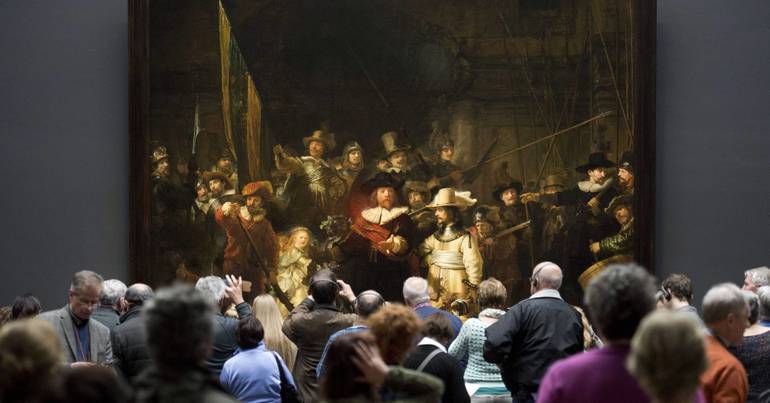
Scientists discover microbes living on Rembrandt's night watch painting
observador.pt · 11 Nov 2026

Tokenizer gains come from readout and granularity rather than just roots
arxiv.org · 13 Nov 2026