Gas Pipeline Costs Drive Up Heating Bills
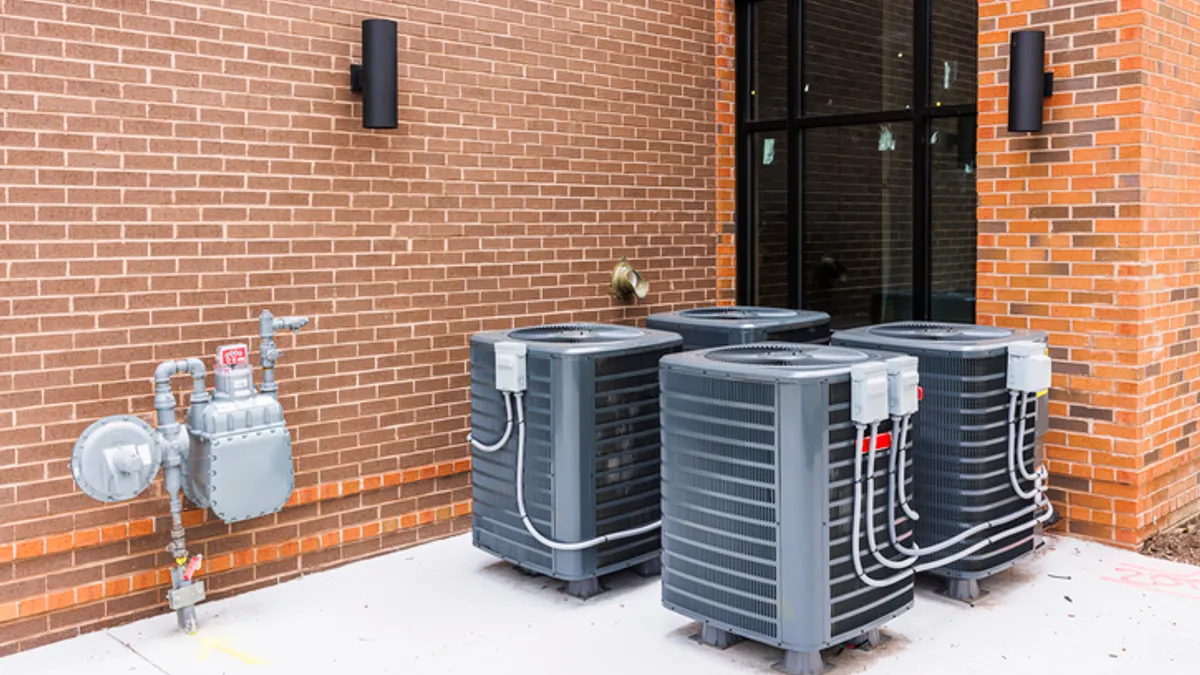
Why this is here: Pipeline costs now make up around two-thirds of customer gas bills, meaning even lower fuel prices won’t necessarily translate to lower overall heating expenses.
Kate Shonk of Advanced Energy United explains that high winter heating bills persist due to rising natural gas delivery costs in the United States. This January, natural gas prices averaged $7.72/MMBtu, a jump from $4.13/MMBtu in 2025. Increasingly, delivery rates—the cost of maintaining gas pipeline infrastructure—now account for about two-thirds of customer bills.
These pipeline costs are a growing concern because they will likely continue to increase even if fuel prices stabilize. Consumers are shifting towards electric appliances like heat pumps, which are more efficient and offer stable pricing. In 2025, gas bills rose roughly 60% faster than electric bills, and four times faster than inflation.
State policymakers can address this by incentivizing electric appliance adoption with rebates and by scrutinizing utility infrastructure spending. New York is piloting “plug-and-play” window heat pumps for affordable housing, though long-term solutions require coordinating gas and electric infrastructure investments. The work to modernize energy systems and lower costs for customers continues.
Surfaced by the Solutions lens — one of the vital signs ovr.news reads.
How we evaluated this
AI summary
read the original for the full story — Read on utilitydive.com . How we work →