Technology and tradition: protecting Indigenous knowledge
Summary and headline written by AI from the source article. How we work
Paul McKinnon, instructional technology coordinator at Indian Community School, learned the importance of responsible technology use through experiences with his grandmother’s quilting and a ribbon skirt workshop.
Growing up in rural Wisconsin, McKinnon’s grandmother instilled in him the value of tradition and community. After her death, discovering an unfinished quilt reminded him of the enduring nature of relationships and knowledge. Participating in a ribbon skirt workshop with his sister deepened this understanding.
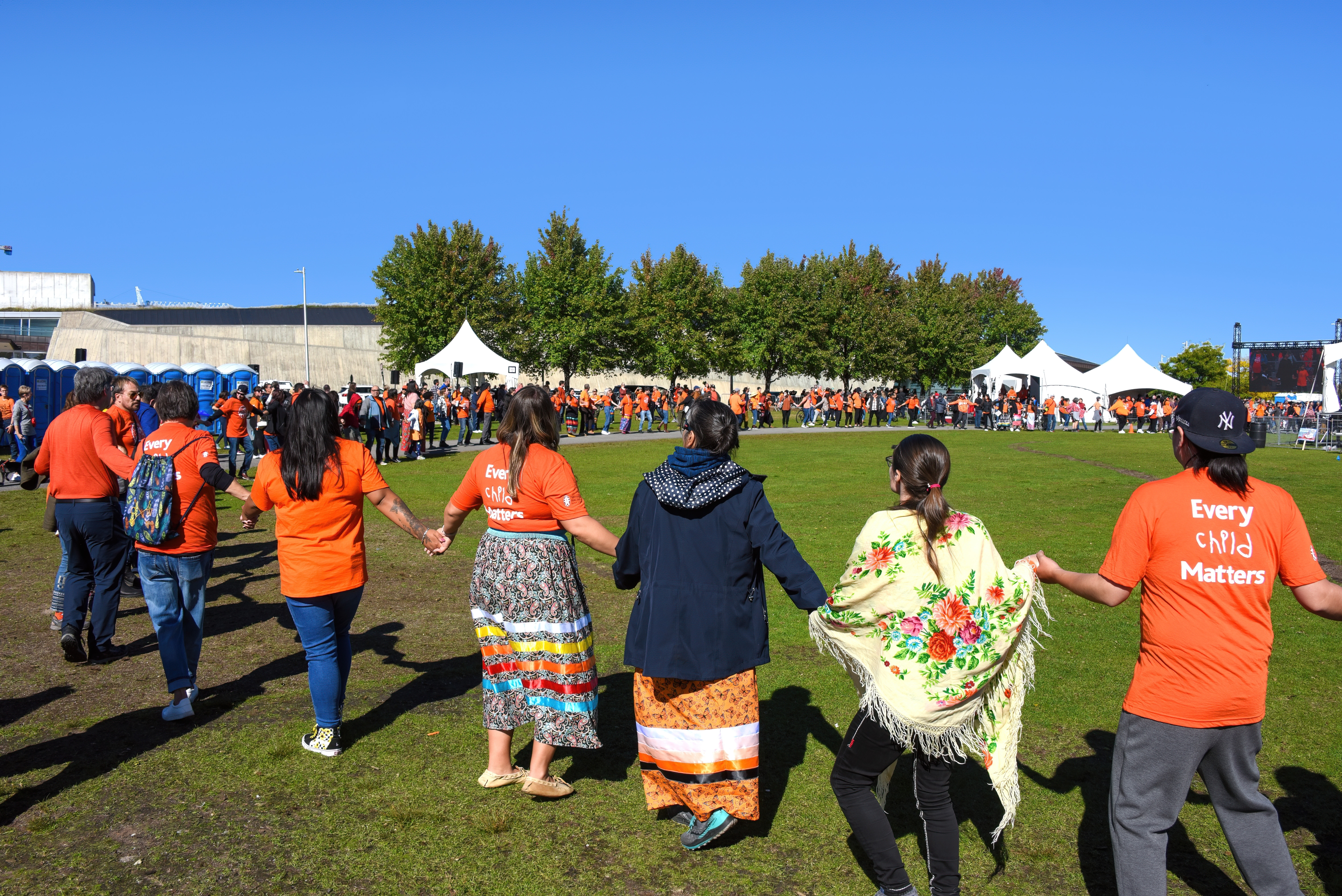
He learned that ribbon skirts represent identity and resilience for Indigenous women across North America and that creating one fosters trust and respect. The class emphasized the responsibility that comes with possessing and sharing cultural knowledge, rather than simply acquiring it. This experience shaped McKinnon’s approach to technology at Indian Community School.
When a company proposed using artificial intelligence to create “virtual ancestors” and preserve tribal elders’ knowledge, McKinnon and his colleagues grew concerned about intellectual property, data privacy, and the potential for exploitation. He responded by increasing his own knowledge of AI and digital ethics and by focusing on building an ethical digital environment for the school.
Now, the school prioritizes active digital stewardship, empowering teachers to evaluate AI tools critically and students to use technology to share their own authentic stories while protecting their data.