South Carolina Reinstates Zeroes in Grading. But Systemic Issues Remain
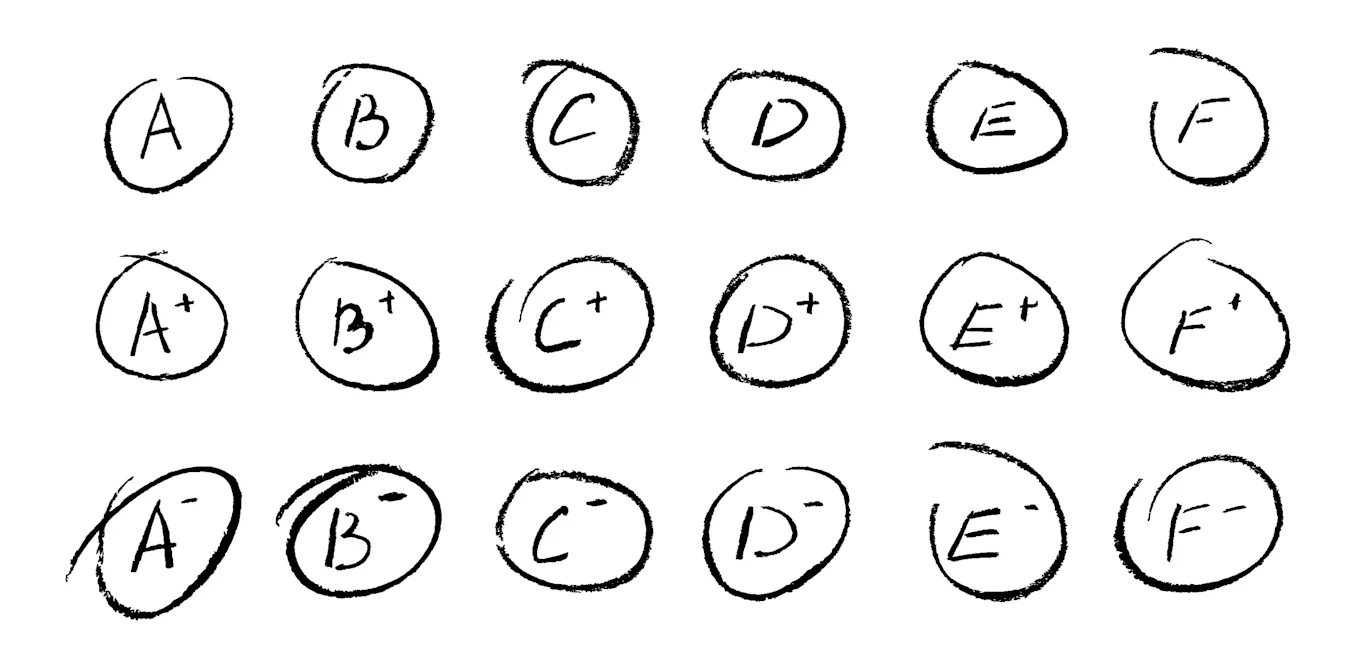
South Carolina recently enacted a law allowing teachers to assign zeros for missing or incomplete work, overturning policies adopted by numerous districts that prevented scores below a certain threshold. The new law, effective July 1, 2026, will also withhold 10% of state classroom funding from districts mandating minimum grades. These “no-zero” policies gained traction over the last decade as educators sought to avoid a single low score disproportionately impacting a student’s overall grade and to promote recovery for struggling students.
However, research suggests these policies can mask a lack of completed work and inflate grades without addressing underlying academic issues. While some studies link minimum grades to higher graduation rates, others indicate they obscure actual learning. The author argues that both banning zeroes and implementing grade floors are merely treating symptoms, not the root cause of unfair grading systems.
The state’s move may signal a broader trend, with North Carolina considering similar legislation and Texas already protecting teachers’ right to assign earned zeroes. The core problem remains that a single grade attempts to measure both knowledge and effort, potentially obscuring a student's true understanding.
Surfaced by the Solutions lens — one of the vital signs ovr.news reads.
How we evaluated this
AI summary
read the original for the full story — Read on theconversation.com . How we work →