Taiwan’s “Police Bodhisattva” Poster Reveals Colonial Tensions
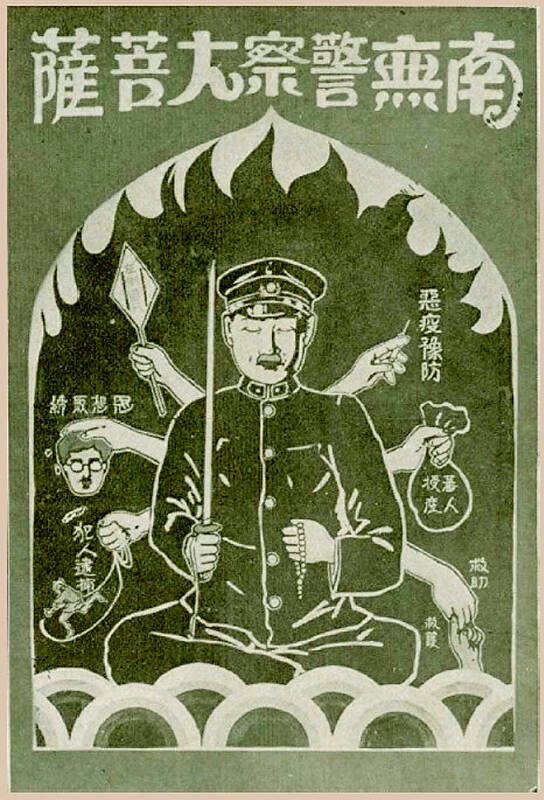
In 1925, the Taihoku Prefecture Police in Taiwan displayed a poster depicting a police officer as a “Great Bodhisattva,” holding symbols of law enforcement and public service. The image, part of a larger public health exhibition, aimed to portray the police as benevolent protectors of the Taiwanese people during the Japanese colonial era.
However, the poster sparked controversy and criticism from the Taiwan Minpao newspaper, which argued it reinforced a divide between the police and the public and highlighted abuses of power. The poster reflected the pervasive role of the police in everyday Taiwanese life, extending beyond law enforcement to include social welfare and ideological control.
While some locals revered certain officers, many privately resented the heavy police presence, one officer for every 547 residents, and viewed them as symbols of oppression. The “Police Bodhisattva” poster and the surrounding debate are currently featured in the “Investigation Chronicles: The Police Expo” exhibition at the Tainan Art Museum, prompting renewed discussion about the complexities of colonial rule and the fraught relationship between authority and the governed. The exhibit explores how attempts to portray police as benevolent figures failed to address underlying grievances.
Surfaced by the Discovery lens — one of the vital signs ovr.news reads.
How we evaluated this
AI summary
read the original for the full story — Read on taipeitimes.com . How we work →