Utagawa Hiroshige: samurai roots of a landscape artist
Summary and headline written by AI from the source article. How we work
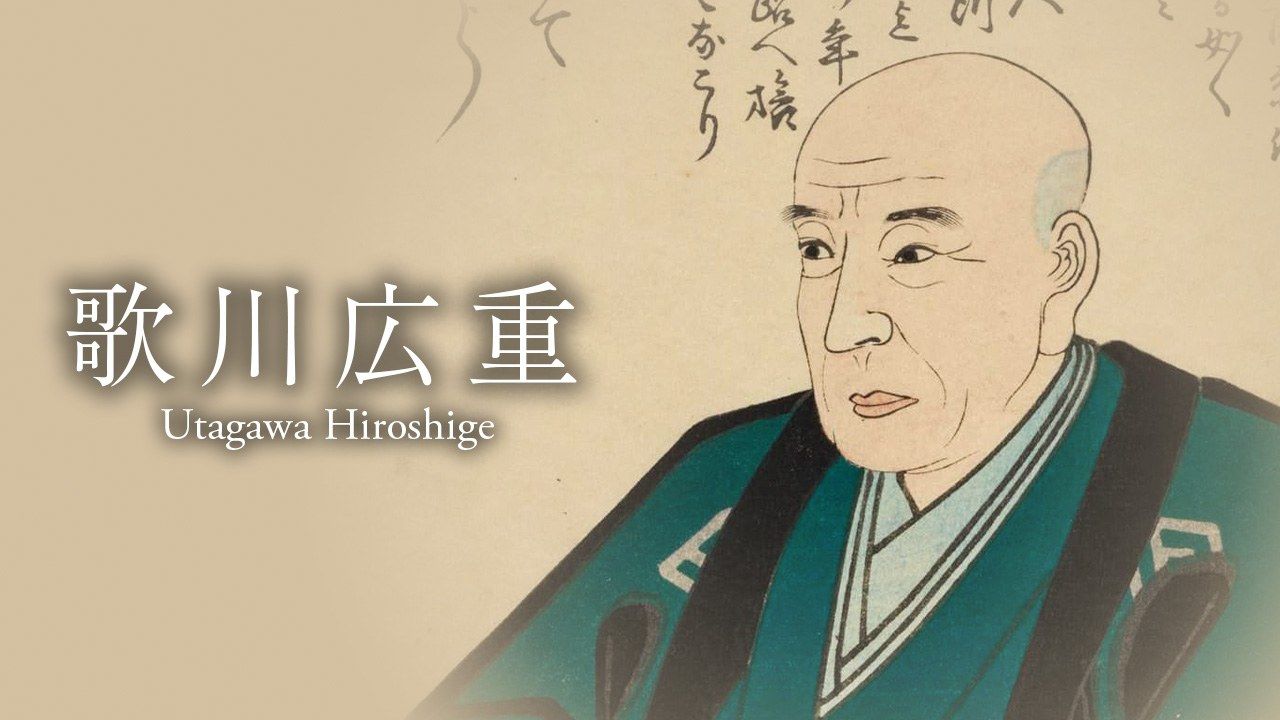
Utagawa Hiroshige, a prominent ukiyo-e artist in Japan’s Edo period (1603 to 1868), came from an unusual background for a creator of art for common people. He was the son of a low-ranking samurai.
Though expected to follow a traditional path, Hiroshige pursued artistic endeavors, initially learning from Utagawa Toyohiro after being unable to study under the more popular Utagawa Toyokuni. He began his career creating popular themes like beautiful women and actors, but soon turned to landscapes.
Hiroshige gained recognition with his Famous Places in the Eastern Capital, a series depicting scenes around Edo (present-day Tokyo). However, his work faced immediate competition from the established ukiyo-e master Katsushika Hokusai, whose Thirty-Six Views of Mount Fuji proved incredibly popular. Hiroshige responded with The Fifty-Three Stations of the Tōkaidō, a series illustrating the route between Edo and Kyoto, which became a major success and cemented his reputation.
Hiroshige’s realistic style contrasted with Hokusai’s more eccentric compositions, appealing to a public affected by the Great Tenpō Famine. He continued to dominate landscape prints, even surpassing Hokusai in bird-and-flower prints, and received commissions for large works like festival curtains and hanging scrolls. Even after a devastating earthquake struck Edo in 1855, Hiroshige continued creating art, culminating in his final series, One Hundred Famous Views of Edo, before his death from cholera in 1858.