A national treasure statue in Nara reflects ancient Indian influence
Headline and summary by local AI
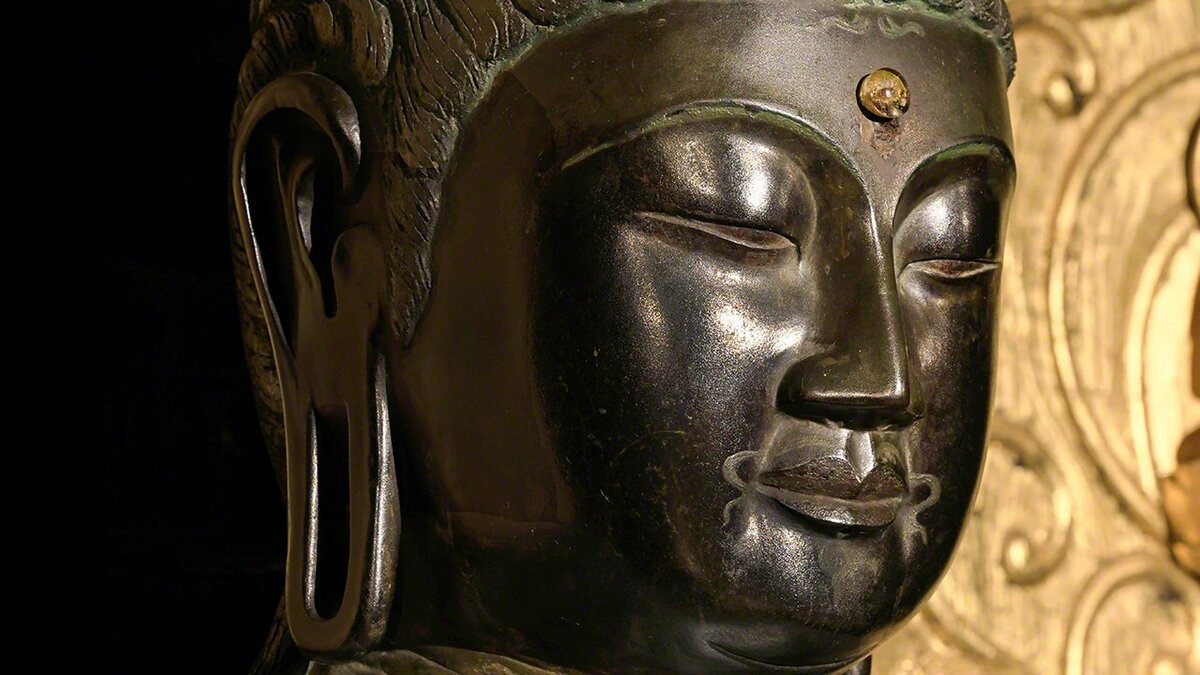
The Standing Shō Kanzeon Bosatsu, a statue of the bodhisattva Avalokitesvara, stands in the Tōindō hall at the Yakushiji temple in Nara, Japan.
This national treasure depicts the deity in its most fundamental human-like form, featuring one face and two arms. The temple was originally founded by Emperor Tenmu in the late seventh century to pray for his ailing consort.
The sculpture exhibits a dignified stance with a slightly parted posture and delicate robe folds that reveal the contours of the legs. Researchers believe these stylistic choices reflect the influence of ancient Indian sculpture. The figure features an elaborate topknot with karakusa motifs and a distinctively exotic appearance caused by the unbroken line of the forehead and nose bridge. Historians continue to debate the exact date of the statue's creation.
Some scholars place its production in the late seventh century based on similarities to the Yakushi Triad, while others suggest it was made in the eighth century when the Tōindō hall was built. Photographer Muda Tomohiro noted that the statue retains faint traces of red coloring around the eyes and lips, which contribute to the power of the bodhisattva's gaze.
Selected and summarized by local AI How we work