North Korean dialects reflect social history and survival skills
Headline and summary by local AI
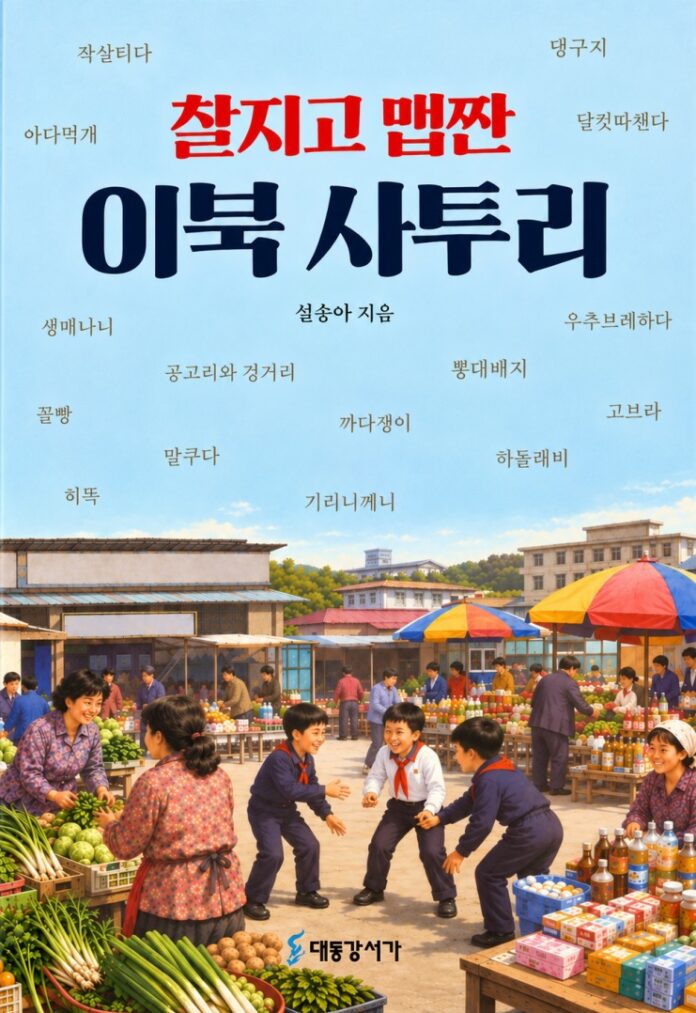
Seol Song Ah, a defector from South Pyongan province, published a book titled Rich and Spicy Northern Dialects (Daedonggang Seoga) to document the everyday speech of the North.
The book follows the linguistic traditions of the Hamgyong, Pyongan, and Hwanghae regions. It explores how language connects to school days, romance, family life, and the workplace. The author uses these dialects to show how ordinary people navigate life under political control.
In the jangmadang, or private markets, North Koreans use verbal sparring and metaphors to negotiate prices and dodge crackdowns. These linguistic skills serve as a tool for survival, allowing people to express discontent through satire and jokes when direct criticism of the state is impossible. The book also captures the endurance of people who used every means possible to find food during the famine of the 1990s.
The North Korean government passed the Pyongyang Cultural Language Protection Act in January 2023 to enforce a socialist standard of speech and eliminate South Korean influences. Despite these laws, young people in cities like Sinuiju continue to use South Korean expressions. The widening gap between the two Koreas makes mutual understanding more difficult as the same words may now trigger different emotions on each side of the border.
The author suggests that recording the actual words used by people in cities like Pyongyang and Sinuiju could help preserve the social history of the peninsula.
Selected and summarized by local AI How we work