Addis Ababa climbs to become Africa’s most climate-resilient city
Summary and headline written by AI from the source article. How we work
Addis Ababa, Ethiopia, has become Africa’s highest-ranked city and the world’s second most climate-resilient major city, according to AlphaGeo’s Climate Risk & Resilience Index.
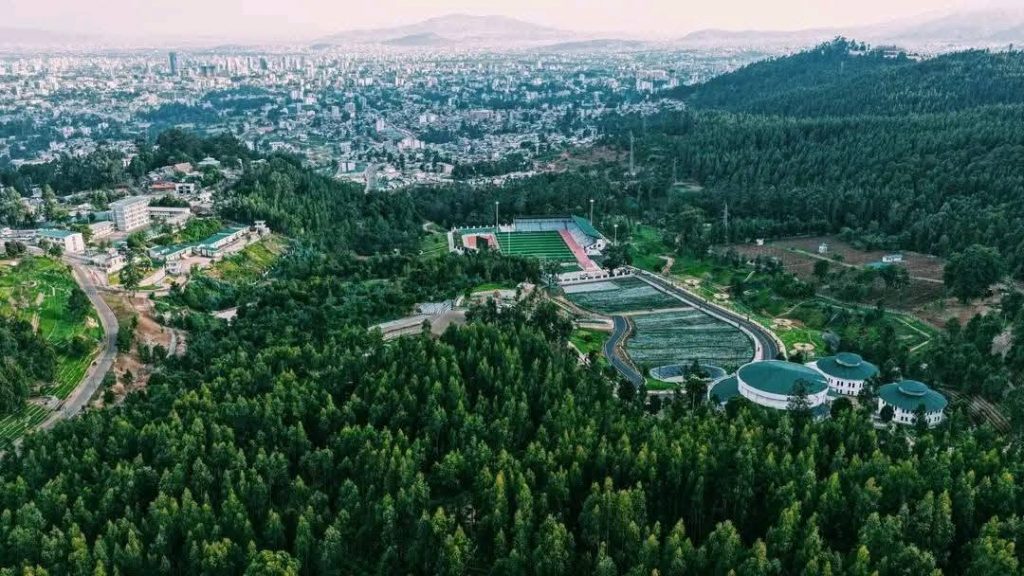
Over the past eight years, the city has undergone significant urban development focused on climate adaptation and risk reduction. These changes extend beyond simply reacting to environmental hazards, and include proactive efforts to reshape the urban environment.
The city government invested in restoring rivers and their banks, transforming polluted waterways into greener, cleaner public spaces covering 48 kilometers. Alongside river restoration, Addis Ababa redesigned urban corridors to prioritise pedestrians and cyclists, incorporating landscaped areas and public amenities. This approach moved beyond simply widening roads to create integrated urban spaces where people can move through and interact with the city more easily. Ethiopia’s Green Legacy Initiative, focused on tree planting and landscape restoration, also influenced Addis Ababa’s development.
The city combined national environmental goals with its own expansion of parks and green spaces. Furthermore, Addis Ababa has become a centre for electric transportation in Ethiopia, adding electric public buses to its fleet. Mayor Adanech Abiebie celebrated the city’s ranking as a source of pride for Africa and a reflection of its ambition to become a beautiful, clean, and livable city.