Ethiopia expands school meals to boost learning and development
Summary and headline written by AI from the source article. How we work
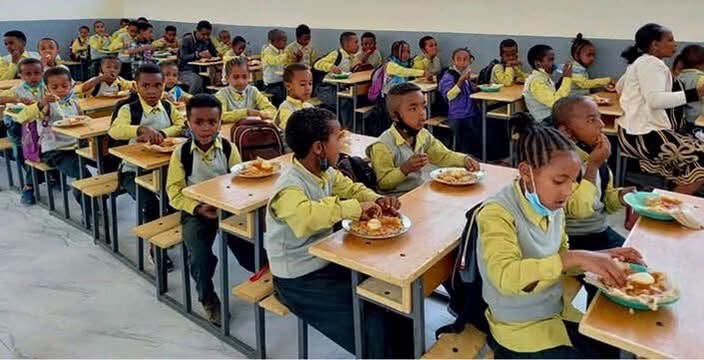
In Ethiopia, over 8 million pre-primary, primary, and middle-level students now receive meals through a national school feeding program.
The Ethiopian government views these meals as crucial for supporting children’s health, concentration, and overall educational success. The program has expanded significantly since 2022, when 1.7 million students were served, and now receives over 17 billion birr in investment, with the majority of funding coming from the government and local communities.
The initiative connects education to other sectors like agriculture and local economies. Ethiopian farms supply food through local markets to school kitchens, where community members, including mothers, prepare the meals. This creates income opportunities for women and provides a reliable market for farmers. Beyond addressing immediate hunger, officials believe school feeding builds a foundation for future skills and innovation.
Prime Minister Abiy Ahmed has emphasized that national development must be measured by improvements in people’s daily lives, and this program is seen as a key component in achieving that goal. The program aims to foster national unity by bringing people from diverse backgrounds together within schools, creating a shared experience centered on children’s wellbeing and future contributions to the country.