Gambia’s Hidden Role in the Atlantic Slave Trade
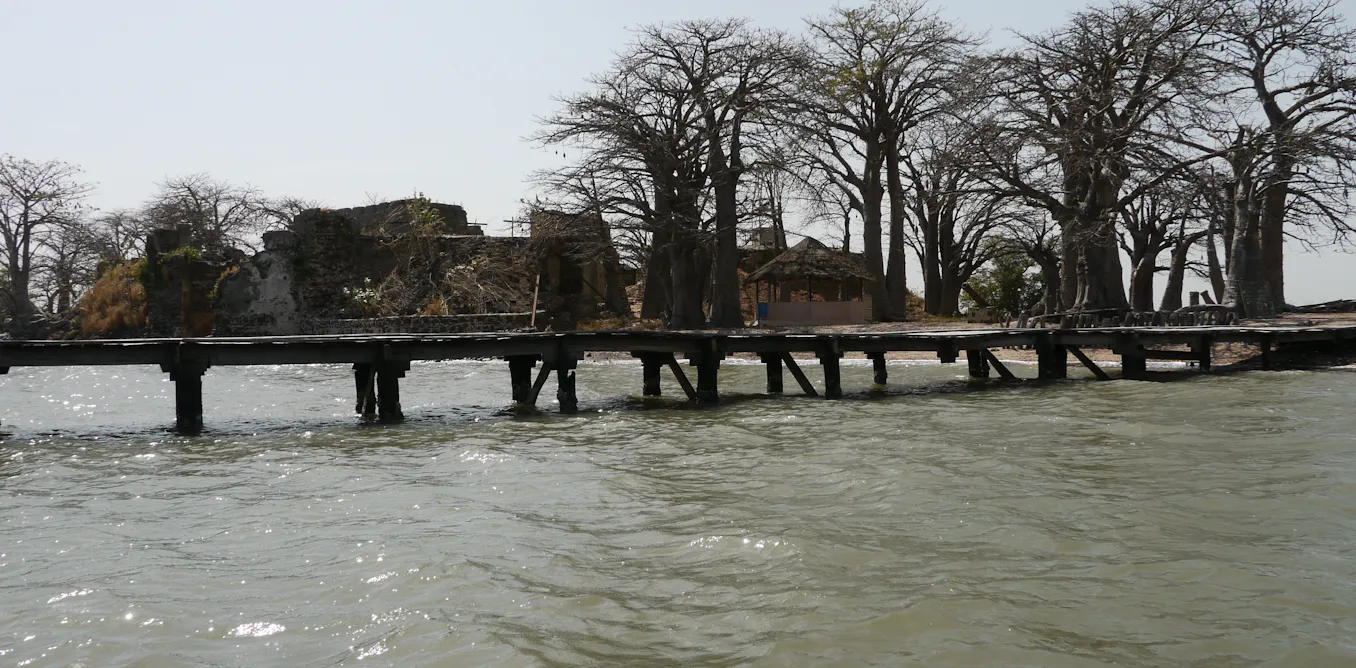
Historians are reevaluating the role of The Gambia, a small West African nation, in the Atlantic slave trade, arguing it was not simply a geographical anomaly swallowed by Senegal but a historically autonomous coastal region. For centuries, European accounts have overlooked the political agency and resistance within the “Sierragambie,” a space defined by shifting Franco-British rivalries and African resistance to the slave trade between 1779 and 1785.
A key event illustrating this agency occurred in 1780 when the British HMS Zephyr, aided by Joola populations, captured the French corvette Le Sénégal at the Gambia River’s mouth. This alliance demonstrates how African actors strategically negotiated with European powers, influencing territorial control and even contributing to the early anti-slavery movement.
Current scholarship suggests that the British establishment of Bathurst (now Banjul) in 1816 formalized pre-existing autonomy built during the slave trade, rather than imposing colonial rule. Understanding this history is crucial as debates surrounding reparations for the slave trade intensify and as historians reexamine colonial borders and African identities.
Surfaced by the Discovery lens — one of the vital signs ovr.news reads.
How we evaluated this
AI summary
read the original for the full story — Read on theconversation.com . How we work →