Sierra Leone Study Validates Simple Shock Index
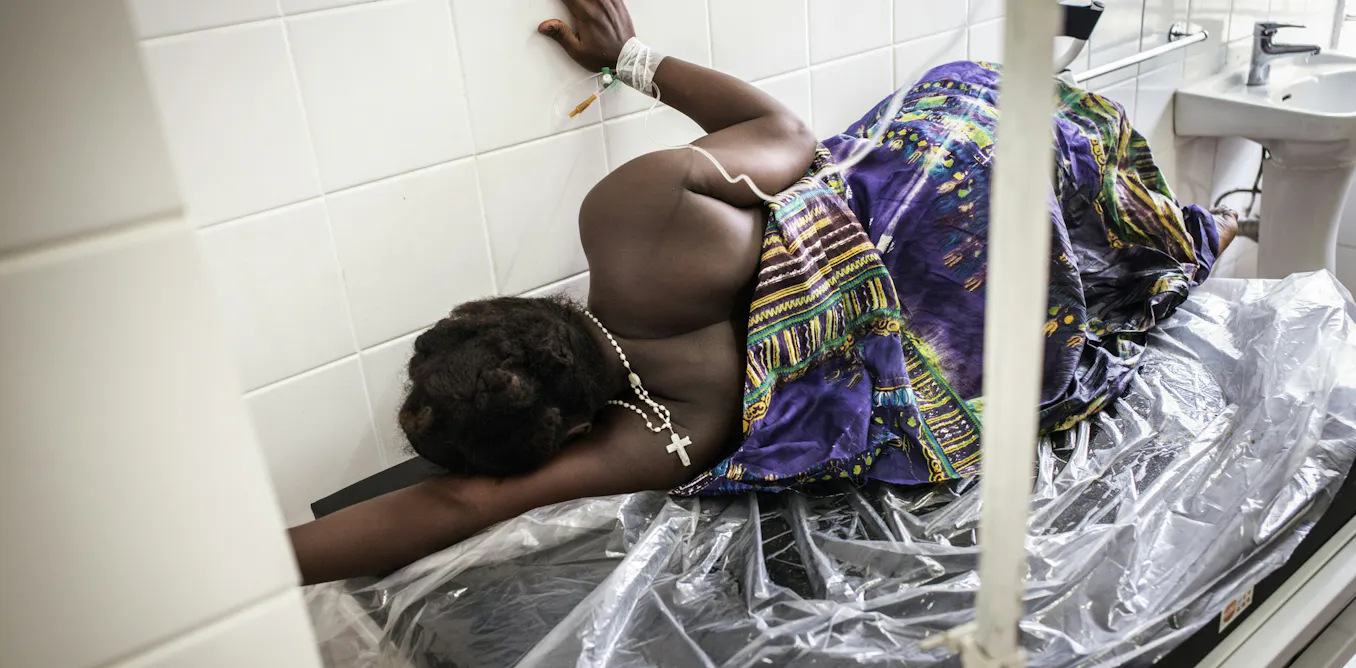
Why this is here: A woman with a Shock Index of at least 1.7 had a ten-fold greater risk of maternal death compared to women with a Shock Index between 0.9 to 1.7.
A team of maternal health researchers in Sierra Leone assessed a simple screening tool—the Shock Index—to identify risks of bleeding and sepsis during childbirth. The study, conducted across three maternity hospitals with 495 women experiencing bleeding and 855 at risk of sepsis, examined how changes in heart rate and blood pressure could predict serious outcomes. Researchers found that a Shock Index of 1.7 or higher indicated a ten-fold increased risk of maternal death compared to a Shock Index between 0.9 and 1.7.
The Shock Index, originally used for trauma patients, is valuable because it requires no specialized equipment. This makes it especially useful in low-resource settings where monitoring tools are scarce, but maternal mortality rates are high. The team previously developed the CRADLE device, which incorporates the Shock Index with a traffic-light warning system to aid in vital sign monitoring.
While the CRADLE technology has shown promise in improving detection and referral, larger-scale evaluations and integration into routine systems are still needed. The team continues to explore additional uses for the Shock Index, including screening for anemia and malaria.
Surfaced by the Thriving lens — one of the vital signs ovr.news reads.
How we evaluated this
AI summary
read the original for the full story — Read on theconversation.com . How we work →