Congo Lakes ‘Breathe’ Ancient Carbon Dioxide
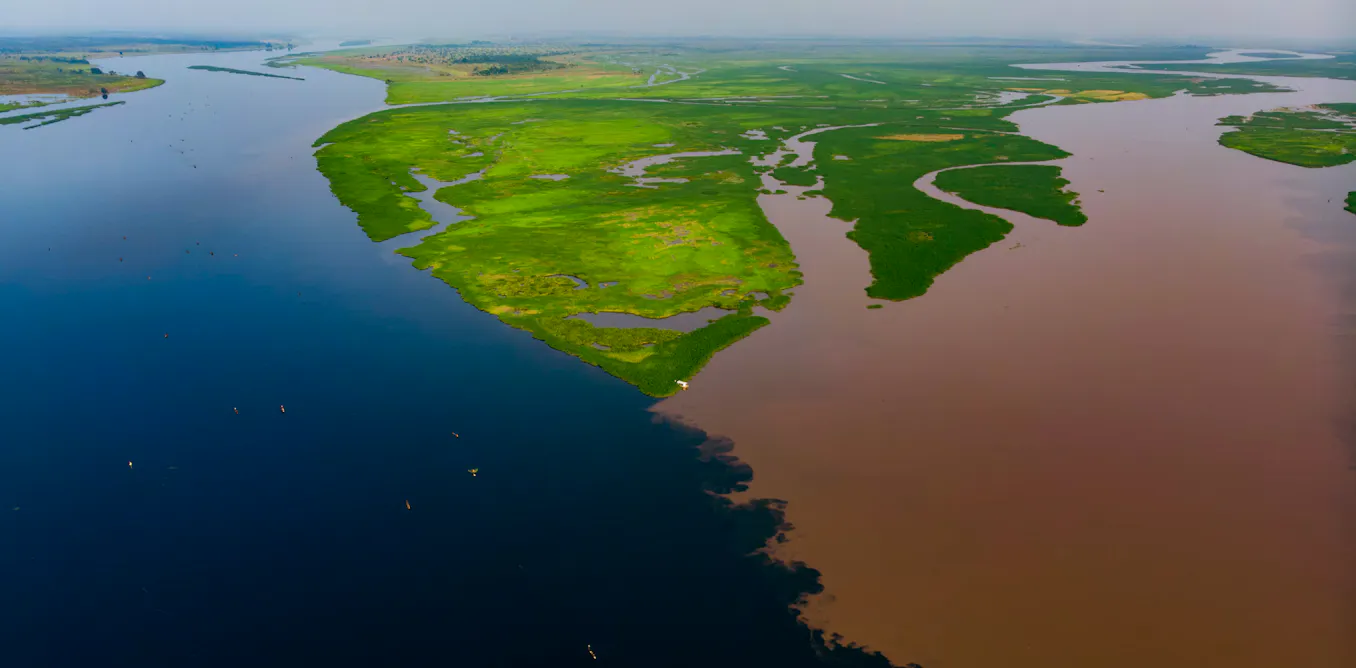
Scientists researching lakes Tumba and Mai Ndombe in the Democratic Republic of Congo’s Cuvette Centrale discovered the waters contain substantial amounts of ancient carbon dioxide. The research team from ETH Zurich, UCLouvain, and other institutions sampled sediments and greenhouse gases to understand how the region’s vast peatlands store carbon. They found the carbon dioxide originates from the surrounding peat, leaking into the lakes over millennia.
This finding challenges the long-held belief that peatlands reliably lock away carbon for thousands of years. While the release isn’t considered a climate emergency, the researchers emphasize the need to understand the implications for the region’s carbon cycle. The lakes support approximately two million people and rich biodiversity.
Further research will explore whether this phenomenon is unique to the Congo Basin or occurs in other peatland regions globally, and what it means for long-term conservation efforts. Misinformation surrounding the study’s findings recently appeared in news reports.
Surfaced by the Discovery lens — one of the vital signs ovr.news reads.
How we evaluated this
AI summary
read the original for the full story — Read on theconversation.com . How we work →