Biologist corrects decades-old mistake about Ecuadorian frog
Summary and headline written by AI from the source article. How we work
Santiago Ron, a biologist from Pontificia Universidad Católica del Ecuador, travelled to the Natural History Museum in London to examine preserved frog specimens.
Ron and his colleagues questioned the accuracy of the scientific name, Pristimantis subsigillatus, assigned to a particular frog species. They compared the original frogs collected in Ecuador during the 19th century with recently discovered ones, studying physical traits like body shape, skin folds, toes, and colour patterns.
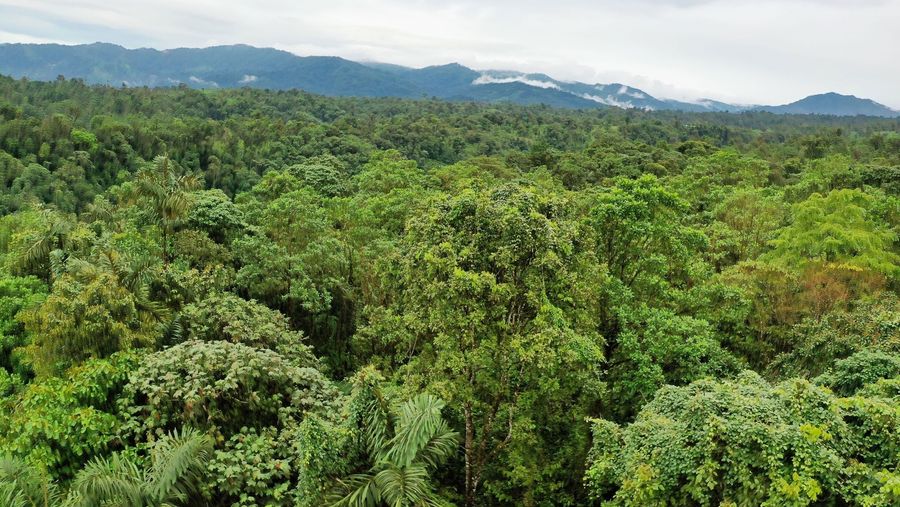
Ron also conducted genetic analysis to determine how the frogs were related. His research revealed that the frogs previously identified as Pristimantis subsigillatus were, in fact, a different species. Differences in head shape, toes, and colour distinguished the new species from the original. The researchers named the new species Pristimantis milpe. They noted the discovery was unusual because the new frog inhabits a large area, over 67,000 square kilometres, within the Chocó Forest in western Ecuador.
The scientists suggest this case shows how errors in animal classification can persist for years without re-examination of original museum collections. Their findings appeared in the journal ZooKeys*.