Ibogaine Shows Promise for Veterans with PTSD
Why this is here: Researchers found that the most intensely-hallucinogenic ibogaine trips coincided with a reduction in a specific type of brain wave linked with stronger PTSD symptoms, and this effect persisted one month after treatment.
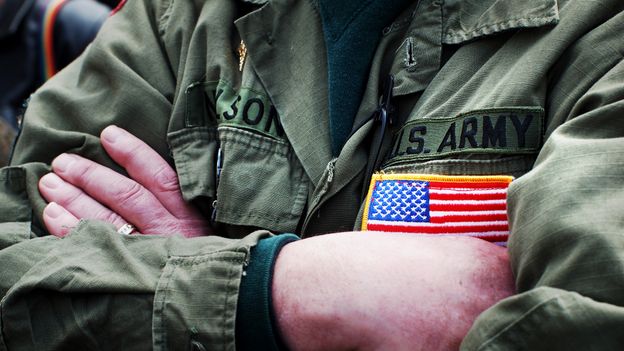
Scientists at Stanford University monitored 30 US special forces veterans who received ibogaine in a clinic in Tijuana, Mexico. The veterans hoped the banned hallucinogen would ease symptoms of post-traumatic stress disorder.
Participants received up to 14 milligrams per kilogram of ibogaine over three hours while monitored by medical staff. Researchers observed improvements in PTSD, depression, and anxiety—shifting scores from “mild-to-moderate disability” to “no-to-mild disability.”
A follow-up study linked more intense psychedelic experiences with greater symptom reduction, both immediately and a month later. While initial research dates back to the 1960s with heroin addicts, scientists are still unsure how ibogaine works, debating whether the chemical effects or the immersive experiences drive the benefits. Some studies suggest a synthetic, non-hallucinogenic version of the drug may also be effective in reducing cravings and improving mood in rats.
However, ibogaine carries safety risks, including potential cardiac arrest, and research is limited by observational data and the frequent pairing with another psychedelic, 5-MeO-DMT. The US and other countries currently ban ibogaine, though funding for research is increasing, including a recent $50 million commitment from Texas.
Surfaced by the Discovery lens — one of the vital signs ovr.news reads.
How we evaluated this
AI summary
read the original for the full story — Read on bbc.com . How we work →