NASA’s Mars tech reveals ancient rock art
Summary and headline written by AI from the source article. How we work
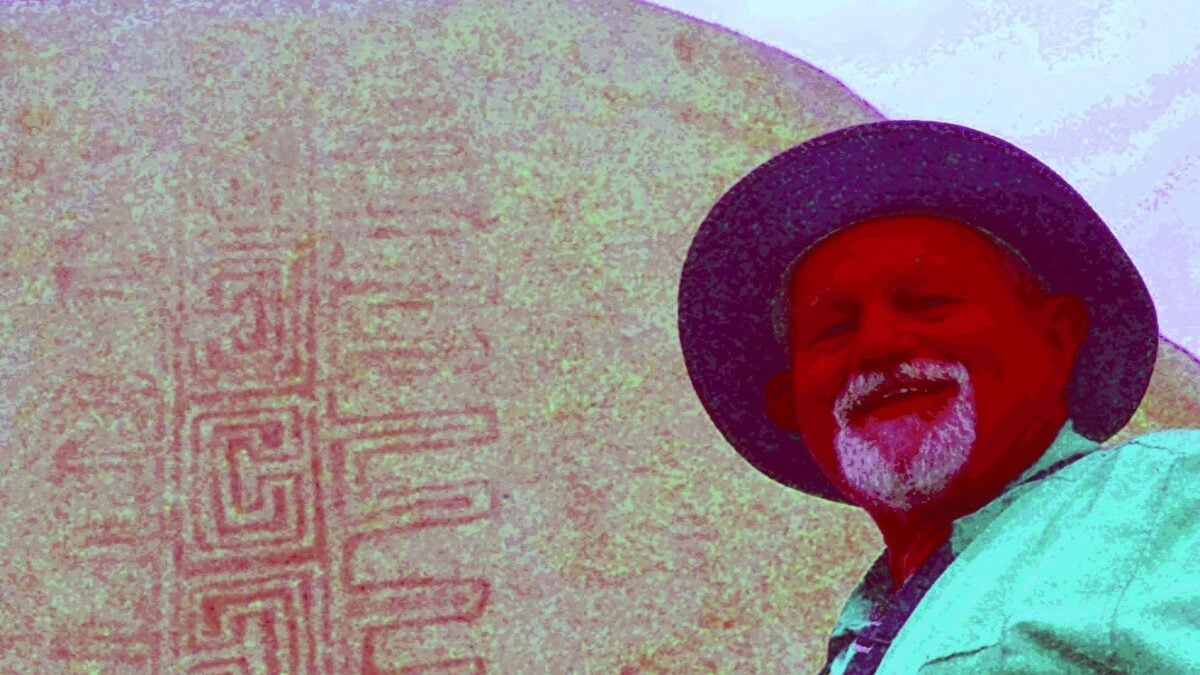
In 2005, archaeologist Jon Harman discovered a NASA technique for enhancing images of Mars could also reveal hidden details in rock art.
Harman learned about “decorrelation stretch,” a method developed at the Jet Propulsion Laboratory (JPL) in 1978 to improve satellite imagery. He realized the technique could help researchers better study ancient paintings and began applying it to photographs of rock art in Baja California, Mexico.
Harman used a paper by Ronald Alley, a former JPL researcher who refined the process in 1996, to create a software plug-in called Dstretch. This plug-in maps colors to an expanded range, revealing contrasts otherwise invisible to the naked eye. Harman tailored the method to work effectively with rock art images by experimenting with different color spaces. Archaeologists have since used Dstretch to make new discoveries around the world.
They found depictions of bats and pigs in an ancient Egyptian cemetery and identified a pictograph of a horse and rider in Alberta, Canada’s Writing-on-Stone Provincial Park, believed to be a challenge from a Crow warrior. The software also helped uncover previously undocumented figures and new details in rock art at a site in Norway. Harman, now retired in Pacifica, California, continues to be fascinated by the meaning behind these ancient symbols.