India’s Andhra Pradesh streamlines rooftop solar access
Summary and headline written by AI from the source article. How we work
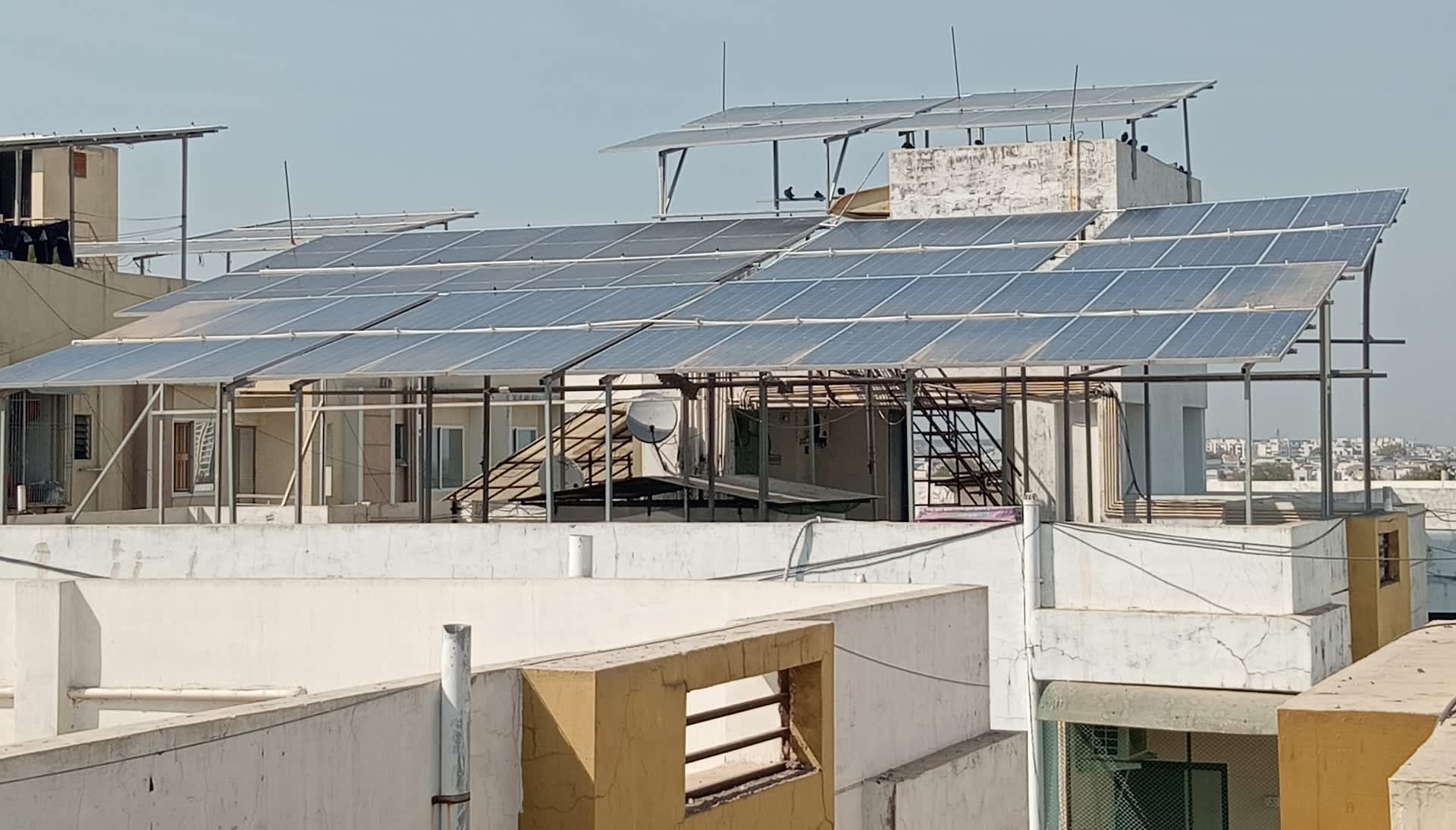
Businesses in Andhra Pradesh, India, can now install rooftop solar panels for on-site use without first obtaining approval from utility companies.
The Andhra Pradesh Electricity Regulatory Commission issued new practice directions after businesses reported delays in getting permission for solar installations. These clarifications allow consumers to connect captive solar systems directly to their internal electrical systems, choosing voltage levels and inverter connections as needed, provided they meet safety standards.
Previously, companies faced slowdowns trying to generate power for their own use on their premises. The commission based its decision on Section 9(1) of the Electricity Act 2003, which gives customers control over equipment on their side of the electricity meter. The new rules also exempt behind-the-meter solar systems from cross subsidy and additional surcharges, potentially lowering costs for businesses and encouraging wider adoption.
Customers must still inform the utility company about their solar systems and provide technical details for grid management purposes. Connecting a system to the grid without first notifying the utility could result in penalties. The regulator hopes this balance between streamlined access and grid stability will encourage more companies in Andhra Pradesh to invest in distributed renewable energy and reduce their electricity expenses.
Other states in the US, including New Hampshire, New York, and Colorado, are also exploring similar measures to expand access to on-site solar power.