Rhode Island bans clauses blocking new grocery stores
Summary and headline written by AI from the source article. How we work
Rhode Island lawmakers recently enacted a law to prevent grocery stores from using contract terms that block competitors from occupying their former locations.
The state became the second in the United States to outlaw these restrictive covenants, which can prevent new stores from opening for years or even decades. In Woonsocket, Rhode Island, at least three former grocery locations are subject to these restrictions, limiting options for the city’s 45,000 residents, 37% of whom experience food insecurity.
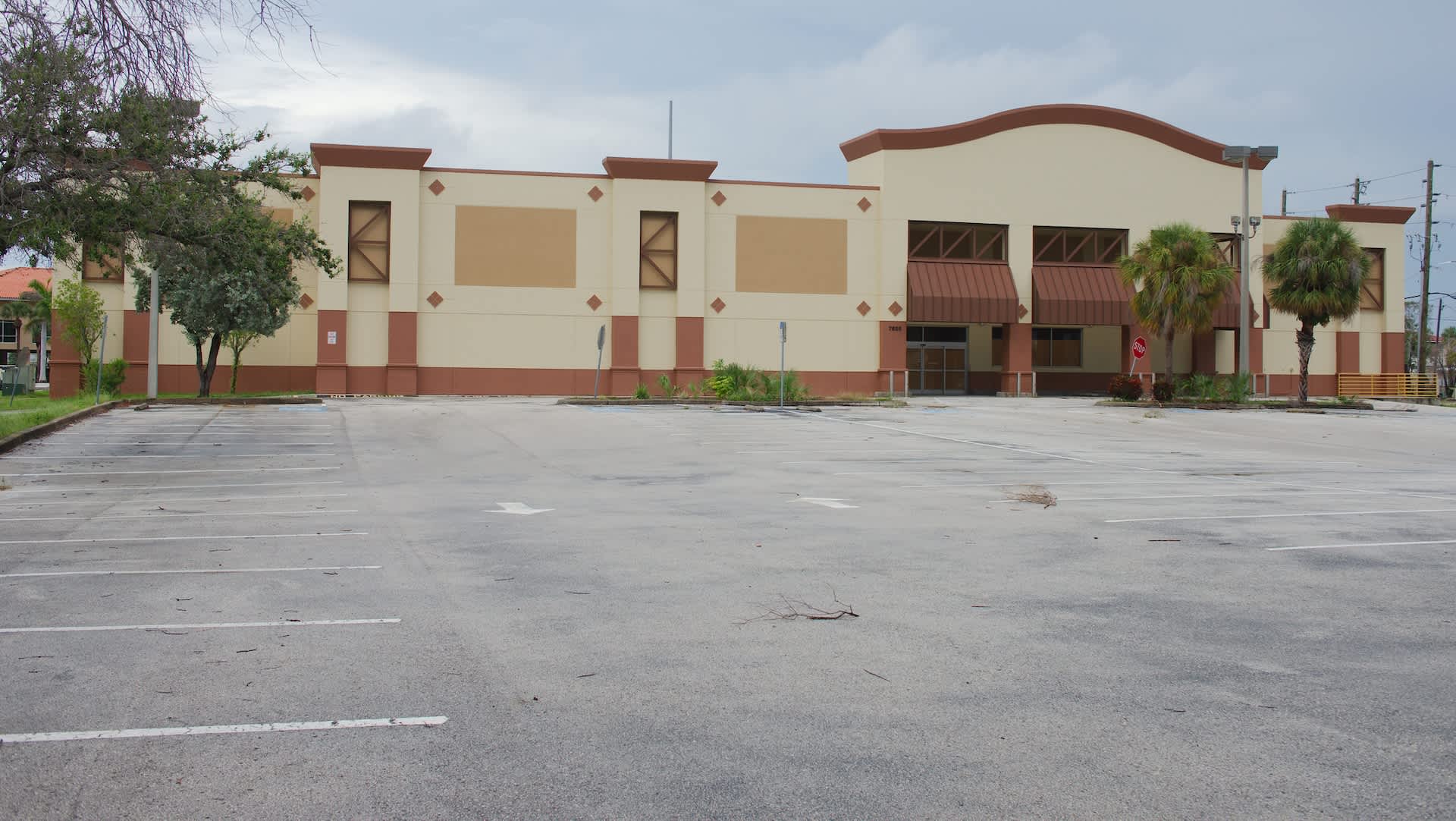
These covenants have historically received little attention, but they can worsen existing food deserts by preventing the reuse of buildings already equipped for grocery sales. Lieutenant Governor Sabina Matos discovered one such covenant while seeking a location for a new grocer in Woonsocket, finding a former Walmart was restricted from becoming another supermarket. The new Rhode Island law stops new restrictive covenants from being written into contracts. Existing covenants will remain in effect until they expire.
Similar bans are already in place in Chicago, Washington D.C., Madison, Wisconsin, and the state of Washington, with D.C. adding 20 grocery stores in the five years following its 2017 ban. Four U.S. senators have also expressed interest in a federal ban and asked the Federal Trade Commission to review the practice.