Scientists identify 149 new species near Australia
Summary and headline written by AI from the source article. How we work
Researchers studying underwater volcanoes in the Indian Ocean near Christmas Island and the Cocos Islands, Australia, discovered 149 species previously unknown to science.
The team, led by Tim O'Hara of Museums Victoria in Melbourne, conducted a deep-ocean survey between Australia and Sri Lanka, sampling waters from 308 to 17,818 feet deep. This region of the Indian Ocean had not been subject to prior deep-ocean research, leaving a gap in understanding of its seafloor life.
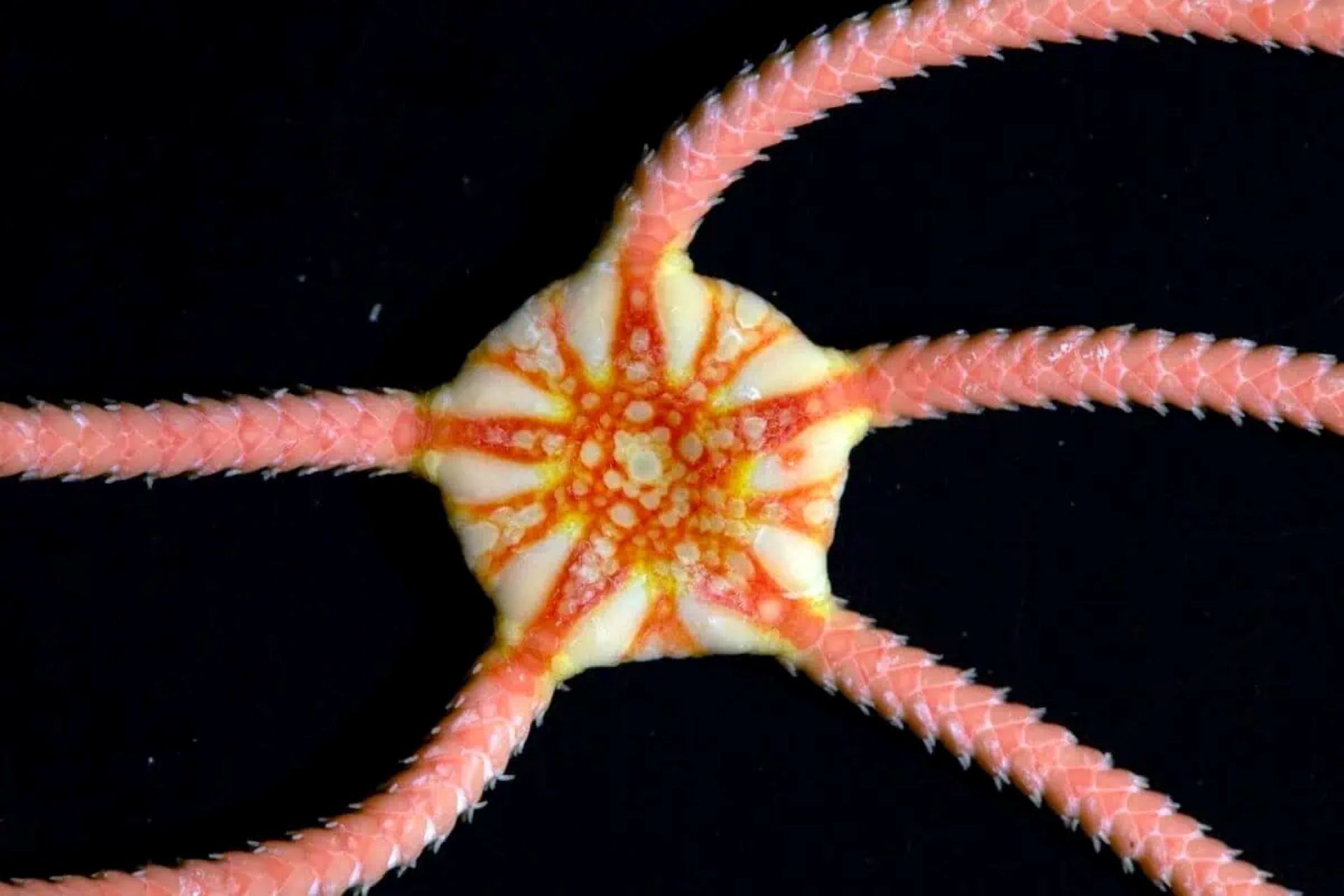
The survey identified a total of 1,059 species, including the new discoveries, a sea cucumber of the genus Oneirophanta, a greeneye fish from the family Chlorophthalmus, and a parasitic barnacle from the genus Rhizolepas. Scientists believe these seamounts, rising from the seafloor, create currents that concentrate nutrients and support diverse marine life. Australia authorized the expedition in 2020 to document biodiversity before establishing the Indian Ocean Territories Marine Parks.
The research, conducted aboard the RV Investigator, also revealed previously unknown seafloor features and a collection of over 1,000 shark teeth, including fossils from the Megalodon dating back over 22 million years. Researchers are continuing to explore similar seamounts in other regions, and the findings will serve as a baseline for monitoring the potential impacts of climate change, overfishing, and deep-sea mining on these ecosystems.