Endangered Ganges river dolphins survive in heavily polluted Bangladesh river
Headline and summary by local AI
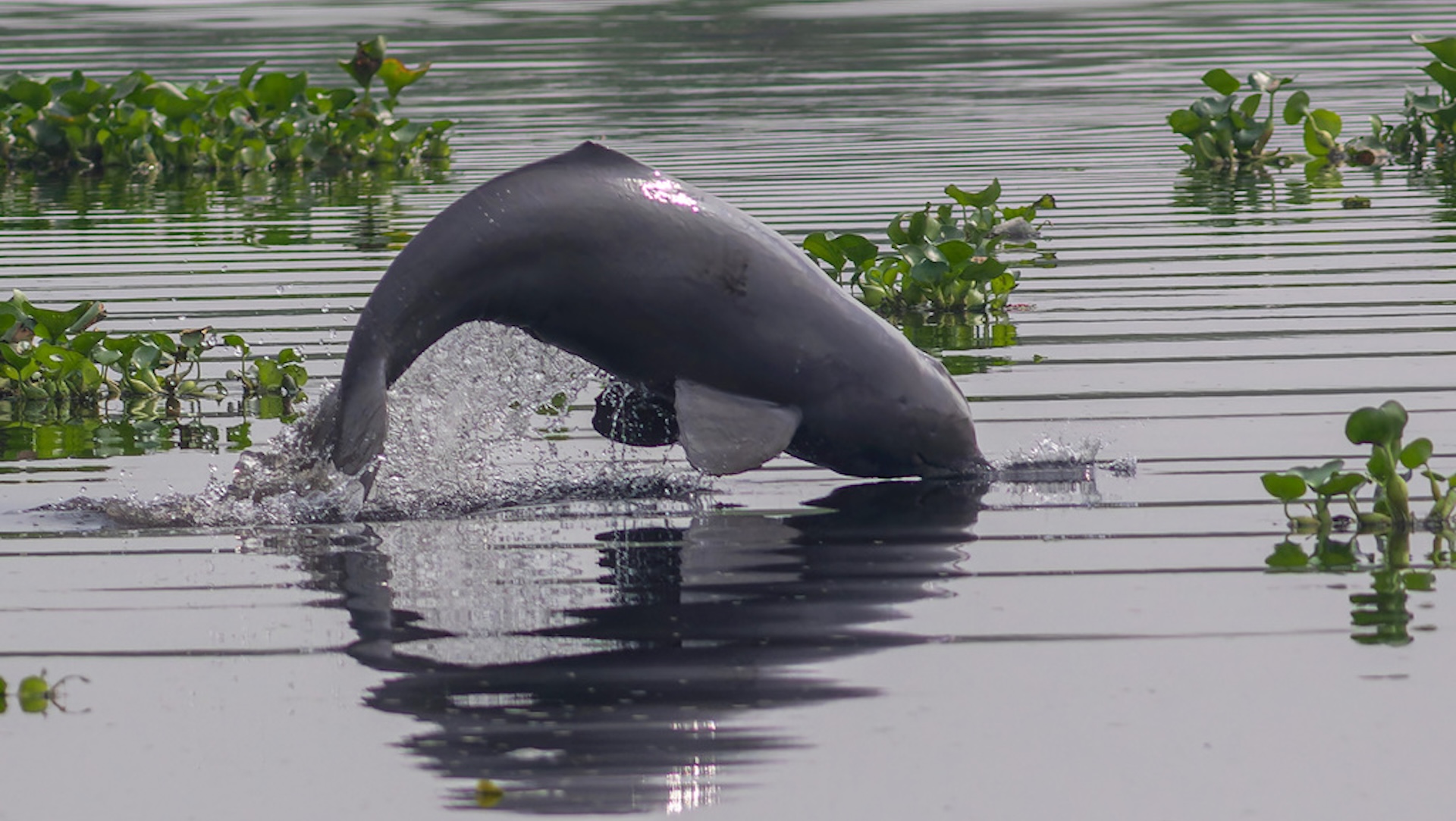
Researchers identified approximately 20 endangered freshwater dolphins living in the Buriganga River in Bangladesh, a waterway known for extreme industrial pollution.
The study monitored a 27-kilometer stretch of the river along the southern edge of Dhaka city between September 2023 and August 2024. The team observed that dolphin groups averaged 4.18 individuals, a figure higher than what previous reports recorded. While native fish have nearly disappeared from the river due to contamination, the dolphins continue to survive and reproduce.
Researchers noted that calves made up about 16% of all sightings, with the highest frequency of sightings occurring during the winter months. Mohammad Abdul Aziz, a zoology teacher at Jahangirnagar University, suggested that the dolphins might be eating invasive suckermouth catfish. These fish can breathe air at the surface and have become common in the water despite the high levels of toxins.
The Buriganga River receives waste from tanneries, textile producers, and pharmaceutical industries, leading to metal concentrations like lead and mercury that exceed World Health Organization limits. To protect these animals, the Bangladeshi government established wildlife sanctuaries in the Sundarbans mangroves in 2012. Aziz stated that conservation efforts must focus on reducing industrial pollution and limiting the number of vessels that disrupt the dolphins' natural movements.
Selected and summarized by local AI How we work
Recovery: Ecosystems recovering, species returning, nature thriving or newly found, and protection already in force.
More in Recovery

African cities convert degraded land into public infrastructure
independent.co.ug · 3 Nov 2026
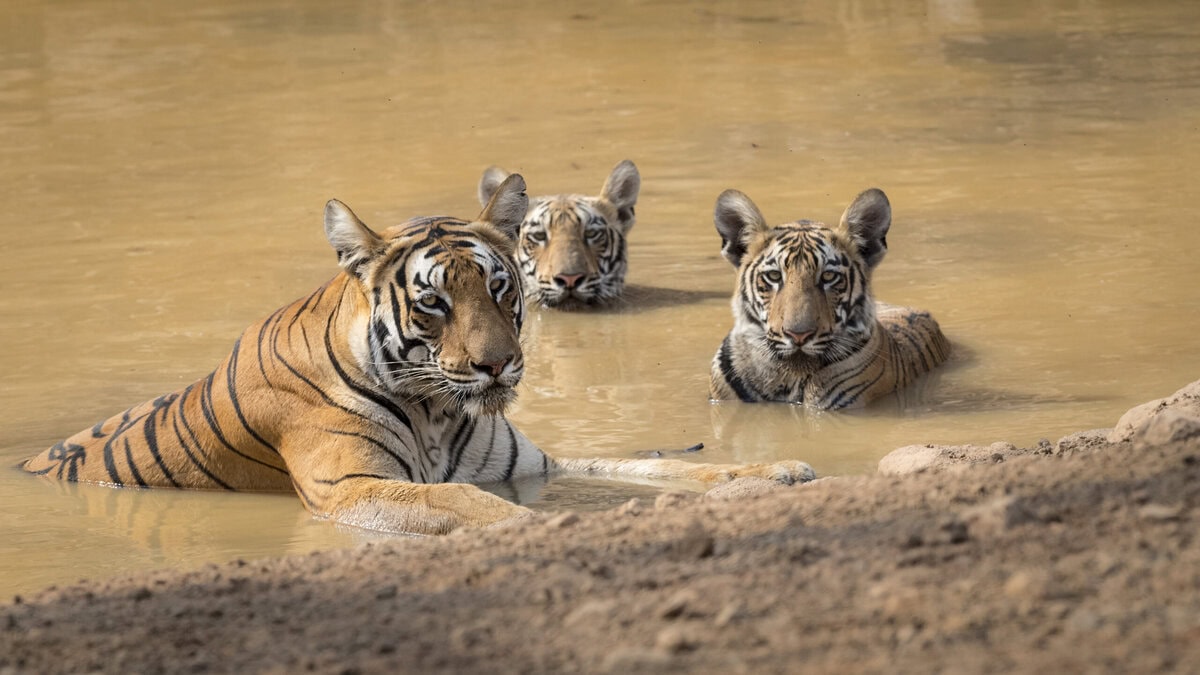
Conservation efforts reverse declines for tigers and sea turtles
goodnews-magazin.de · 9 Nov 2026

Wayan Wardika establishes Indonesia's first firefly conservation program in Bali
news.mongabay.com · 10 Nov 2026