Scientists identify new crocodile species from fossil found in Egypt
Headline and summary by local AI
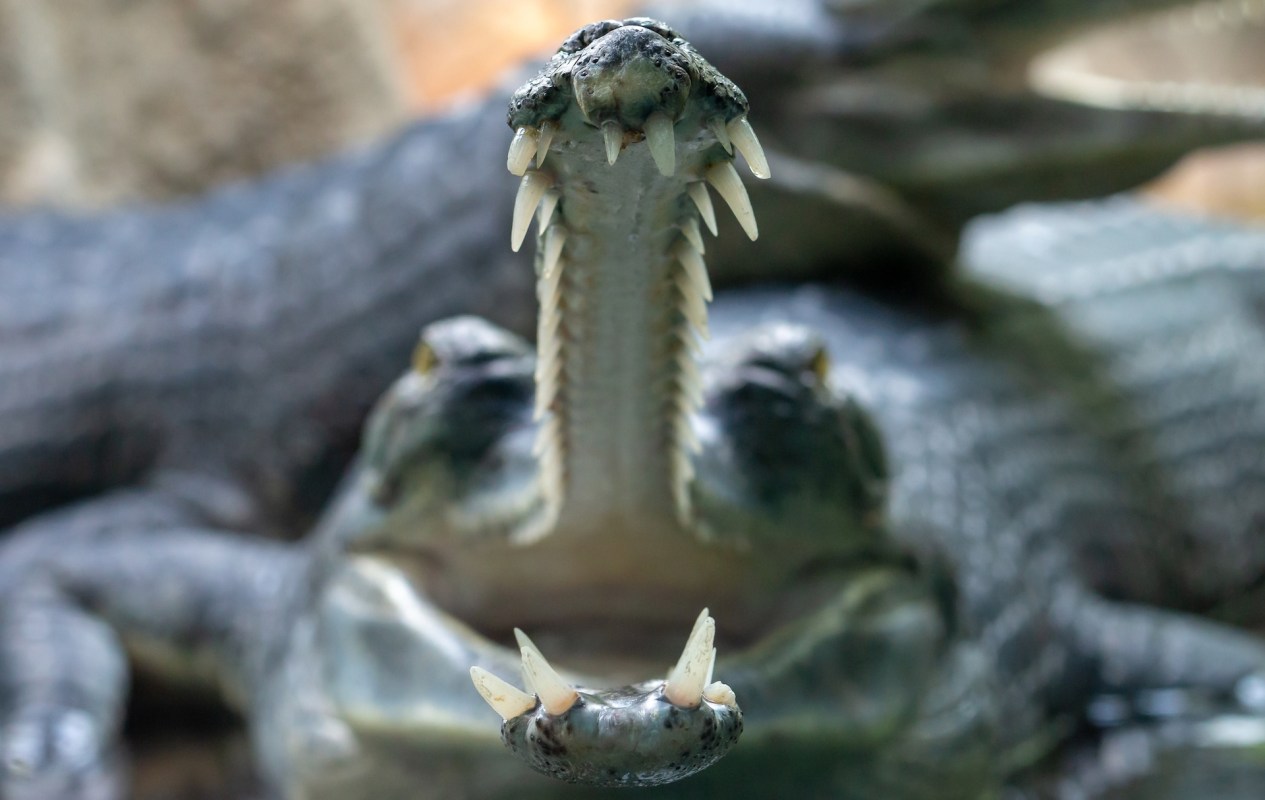
An international team of researchers identified a new species of extinct crocodile from a fossil discovered in Egypt.
The team used CT scans to examine a nearly complete skull that had been excavated a century ago. The analysis revealed physical features that distinguish the ancient reptile from the modern false gharial, a type of freshwater crocodile. Paul Burke of the Swedish Museum of Natural History led the study, which corrected a classification that had remained unchanged since the 1920s.
The team named the new species Herugavialis cairensis. The reptile lived in a warm, shallow sea in northern Egypt approximately 45 million years ago. The researchers noted that the limestone used to build the Great Sphinx came from the same geological formation where the fossils were found. The study also provided context on the history of crocodilians in the region. The researchers noted that crocodiles disappeared from the Mediterranean roughly 6 million years ago as the sea dried.
Today, only two gharial species survive in freshwater habitats across southern and southeastern Asia. While the new discovery clarifies the prehistoric record, modern crocodilian species face threats from habitat loss and hunting.
Selected and summarized by local AI How we work
Discovery: Archaeology, new knowledge of art, culture and history, forgotten history uncovered, something lost restored.
More in Discovery
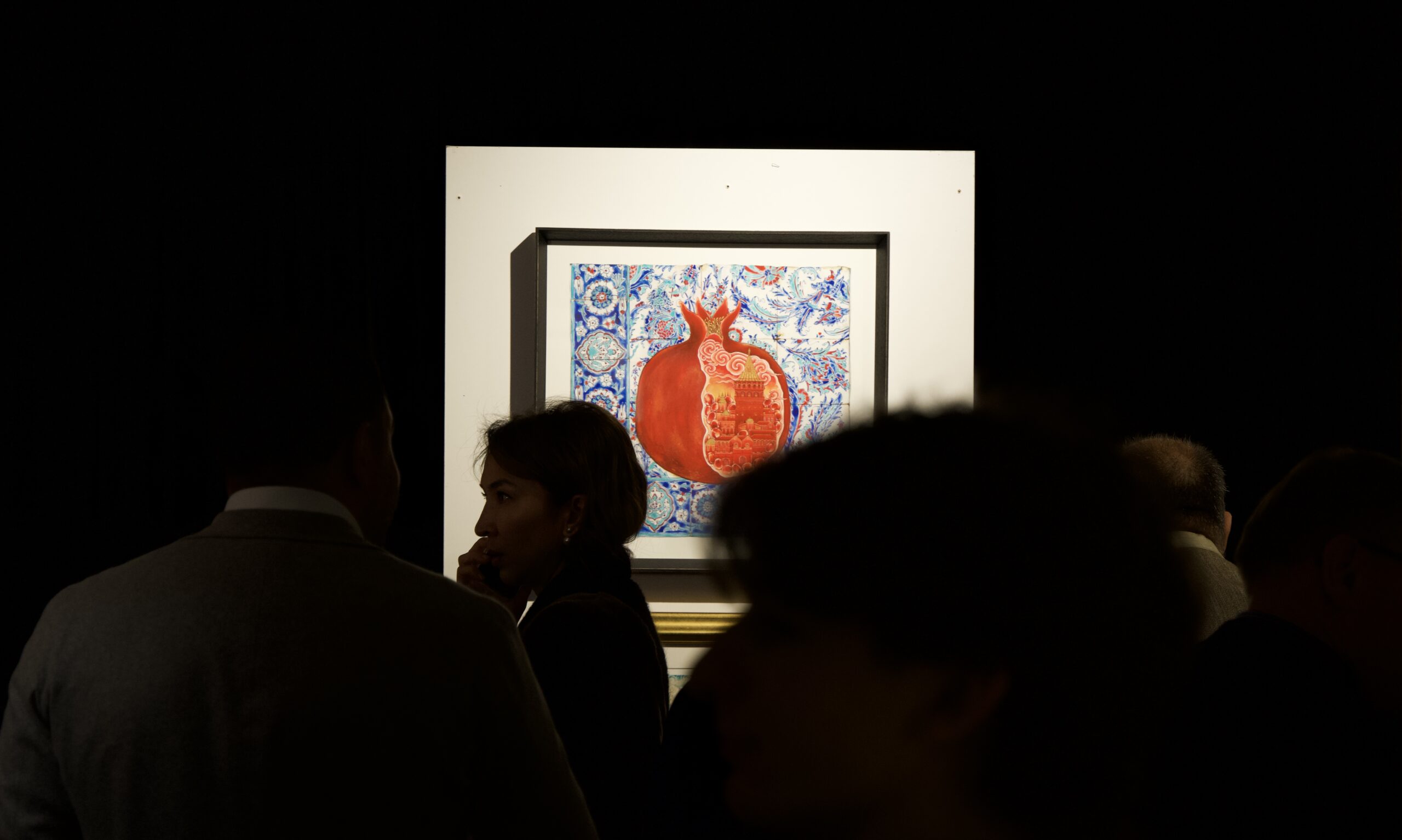
Turkish artists exhibit miniature art to strengthen cultural ties in Kazakhstan
astanatimes.com · 6 Nov 2026
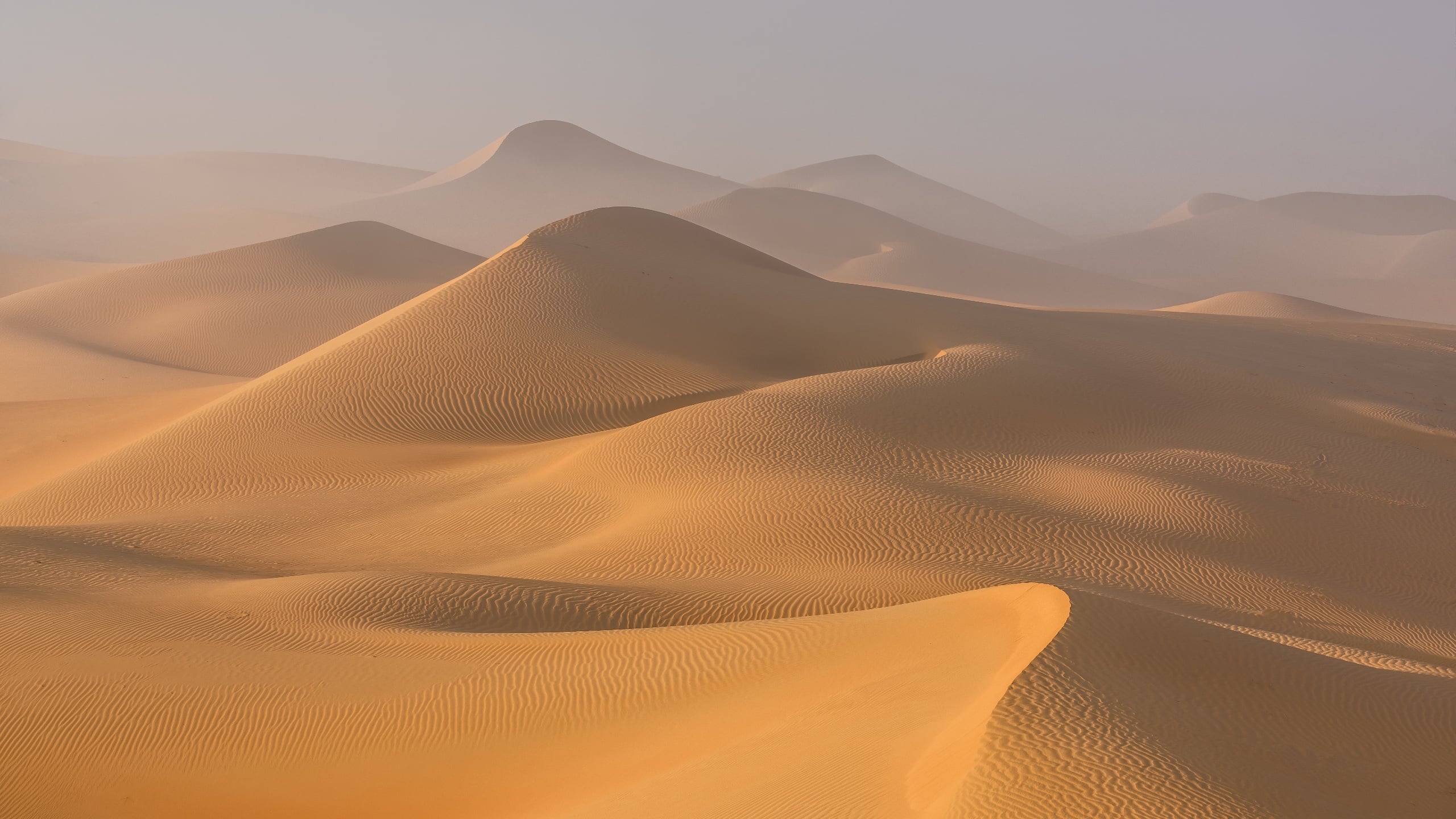
Lack of stone tools explains missing human traces in Arabian desert
sciencealert.com · 9 Nov 2026
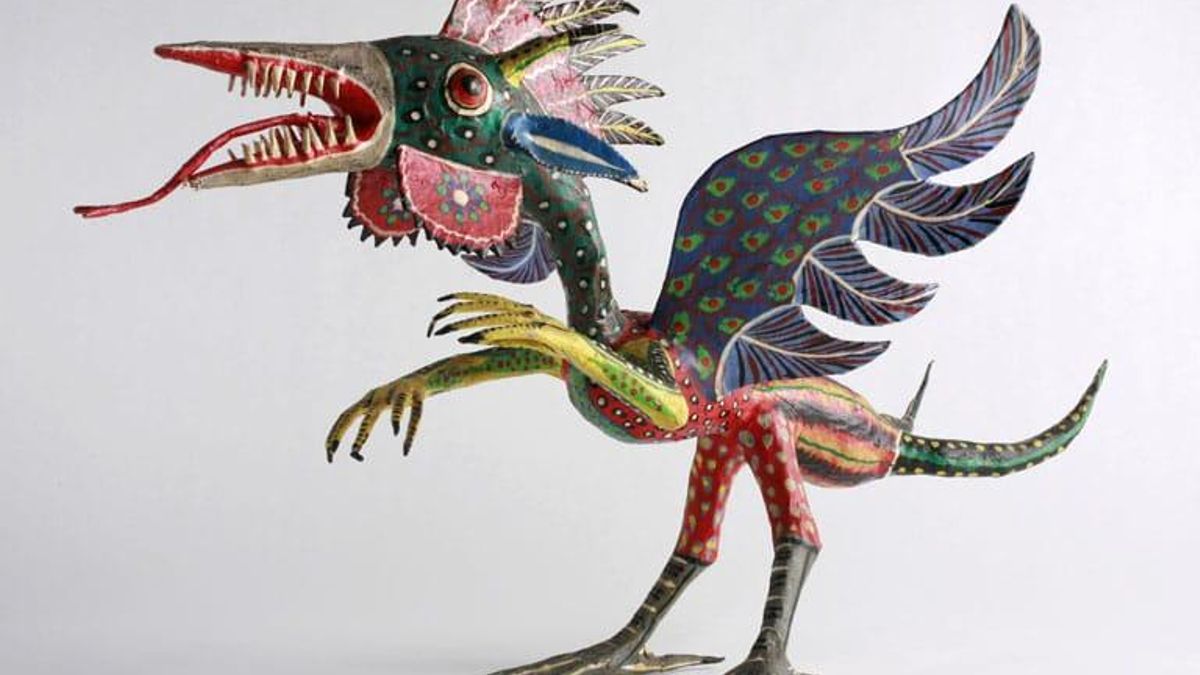
Pedro Linares López created Mexico's alebrije folk art from a fever dream
eldiario.es · 8 Nov 2026