Bangladeshi Farmers Shift Crops Amid Water Crisis
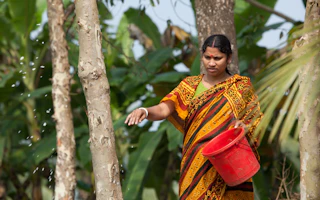
Why this is here: A farmer in the Matikata union can now earn between US$4,900 to US$6,550 from one hectare of dragon fruit, compared to US$655 from the same land growing paddy.
In the Barind Tract of north-western Bangladesh, farmers are increasingly switching from traditional paddy cultivation to crops like dragon fruit, mango, and maize. The 8,000 square kilometer region faces dwindling groundwater supplies and erratic rainfall, prompting farmers to seek more water-efficient and profitable alternatives. Mariam Ahmed, a government agriculture officer, observes a significant expansion of dragon fruit farming, especially in areas with highlands.
This transition benefits farmers with access to markets and capital, allowing them to pursue stable profits. However, landless tenant farmers and marginalized communities struggle with shrinking returns and job losses, as new crops often require less labor than paddy. The Barind Multipurpose Development Authority has limited irrigation hours and introduced a rotational system, providing water to only a third of farmland during peak season.
Experts note this policy may inadvertently encourage unregulated private pumping, complicating water management. While some farmers, like Hasibul Islam, are thriving with new crops, others, such as tenant farmer Mohammad Rasid, are constrained by landowners.
Researchers at the International Water Management Institute emphasize the need for a holistic approach to ensure equitable and sustainable adaptation for all communities. The work to understand and address these disparities continues.
Surfaced by the Recovery lens — one of the vital signs ovr.news reads.
How we evaluated this
AI summary
read the original for the full story — Read on eco-business.com . How we work →