India Industrializes With Solar Power
Why this is here: India’s railway network—spanning 42,000 miles of broad-gauge track—has been almost entirely electrified in the past decade.
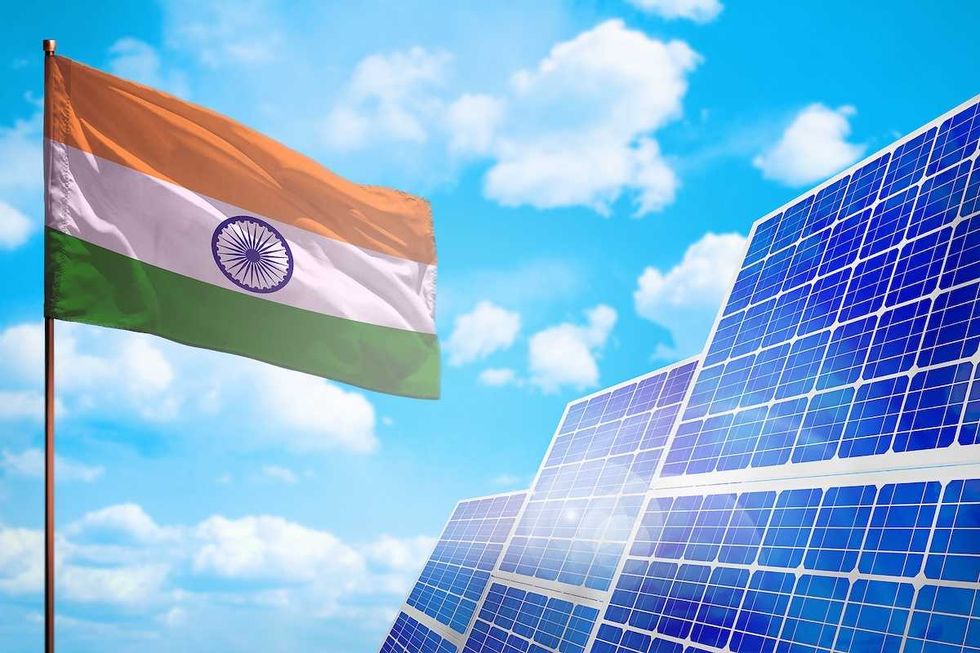
In New Delhi, India, policymakers are prioritizing solar energy as the nation industrializes, shifting away from a previous reliance on coal. A decade ago, India appeared set to expand coal use, but policy began changing after 2015 when Prime Minister Modi pledged to increase solar adoption. Last year, non-fossil fuel sources supplied over half of India’s installed generating capacity.
The Adani Group, a large private power producer, leads the solar surge with projects like the Khavda solar park—currently 9.4 gigawatts—which uses robots to clean panels. However, India’s outdated grid struggles to transmit power from western deserts to urban centers, with roughly 40 percent of solar output lost in transit.
Currently, coal still fuels about 70 percent of India’s power generation, and the country relies heavily on China for solar technology. Plans to expand the national grid and develop energy storage solutions, including pumped storage and battery systems, are underway to address these challenges. The work to modernize India’s energy infrastructure continues.
Surfaced by the Solutions lens — one of the vital signs ovr.news reads.
How we evaluated this
AI summary
read the original for the full story — Read on e360.yale.edu . How we work →