India’s power emissions flat as clean energy surges
Summary and headline written by AI from the source article. How we work
India’s power sector maintained flat carbon dioxide emissions for two years, from 2024 to 2026, as growth in clean energy sources offset increases in demand.
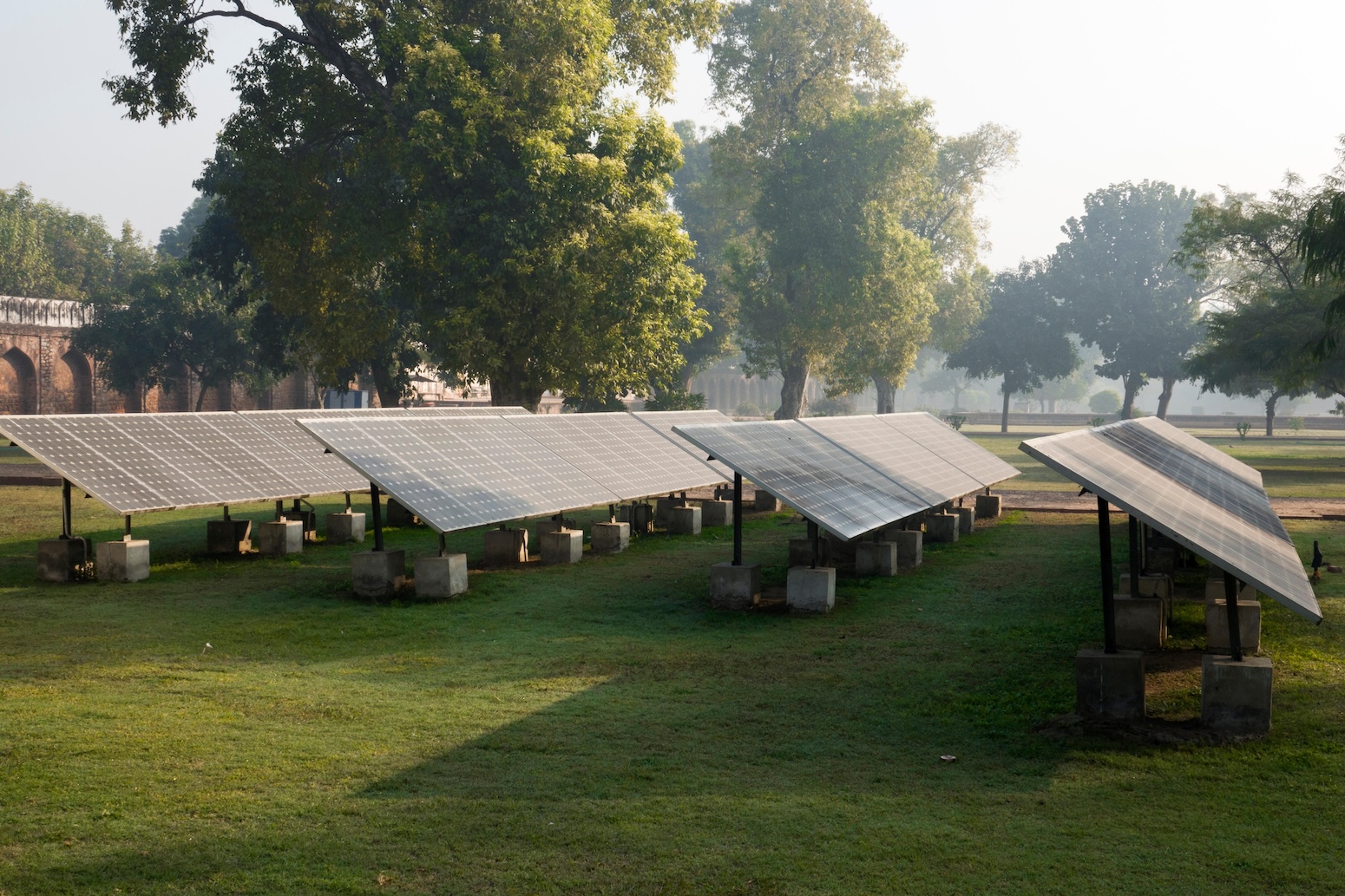
For the first time in over 50 years, India’s coal power did not grow while overall electricity use increased. Clean energy sources, solar, wind, nuclear, and hydro, added 63 terawatt-hours of power, enough to supply all of Switzerland, and met all of the 7% rise in India’s electricity demand.
While clean energy expanded, fossil fuel generation remained stagnant, and power plants added 8.5 gigawatts of new coal capacity, which increased costs for consumers. Oil and gas consumption fell by 7% over the two years, even with higher demand for road transport fuels. However, emissions from steel and cement production increased by 8% year-on-year, making up 23% of India’s total carbon dioxide output.
To continue this clean energy trend, India needs to upgrade its electricity grid, expand energy storage, and increase the flexibility of its coal power plants. Despite the clean energy surge, the fossil fuel industry continues to invest in new coal capacity and related technologies. Faster electrification of India’s industrial sector could further reduce overall emissions, as the country currently lags behind other major emerging economies in this area.