Community sharing and subsistence harvesting feed Alaska's capital
Headline and summary by local AI
Residents of Juneau, Alaska, rely on a combination of maritime transport, small-scale farming, and a deep culture of communal sharing to maintain their food supply.
Because the only road to the capital city ends at the wilderness, most goods arrive via the Alaska Marine Highway ferry, seaplanes, or cargo ships.
While some reports suggest the state imports 95 percent of its purchased food, Meghan Stangeland of the non-profit Ecotrust notes that this figure excludes the vast amount of food shared through subsistence harvesting. Local farmers face difficult conditions to provide fresh produce. Joe Orsi manages a small terraced garden where he tested 45 varieties of garlic to find types that could survive the short growing season and acidic soil.
Other local producers, such as John Krapek of Juneau Greens, use hydroponic systems to grow vegetables. Krapek stabilized his business by starting a weekly subscription model for 425 residents, which eventually allowed him to open a physical storefront in 2024. Cultural practices also play a vital role in food security. Ricardo Worl of the Sealaska Heritage Institute explains that in many local communities, food is shared among relatives and elders as a matter of survival and tradition.
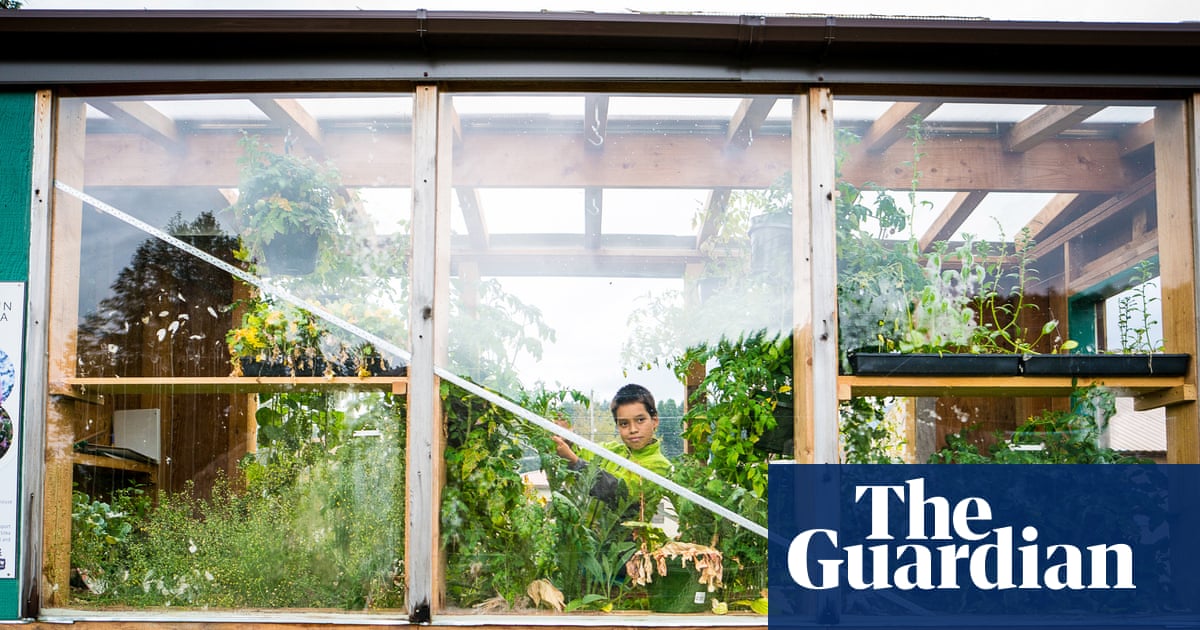
Schools also contribute to the local food supply, with programs like the one run by Joel Bos producing 1,300 pounds of food annually across two elementary schools. These efforts work alongside organizations like Ecotrust, which operates a mobile greenhouse called Moby to help different communities establish their own permanent growing spaces.
Selected and summarized by local AI How we work
Belonging: Community bonds, rootedness, and living cultural practices and heritage.