UK Researchers Track Hedgehogs with AI
Why this is here: The Tessera AI system was trained using around 20 petabytes of data—the equivalent of 10 billion standard digital photos—to accurately identify features in satellite imagery.
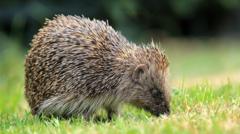
Researchers at the University of Cambridge are employing satellite data and artificial intelligence to monitor hedgehog populations across the United Kingdom. They utilize an AI tool named Tessera to analyze detailed images of the UK, pinpointing hedgehog habitats and tracking landscape changes. The system creates detailed maps, even predicting habitats obscured by cloud cover, to better understand barriers to hedgehog foraging and mating.
Researchers are also combining Tessera’s data with real-time GPS tracking from hedgehogs fitted with small devices—a similar project exists in Northern Ireland. Building Tessera required training the system on roughly 20 petabytes of data, necessitating additional processing power installed by the research team.
The open-source Tessera system extends beyond hedgehog conservation, assisting over 100 research groups with monitoring farmland and crops. While promising, the project acknowledges concerns about the environmental impact of the energy-intensive technology. The work continues as populations have fallen by up to 75% in rural areas since 2000.
Surfaced by the Solutions lens — one of the vital signs ovr.news reads.
How we evaluated this
AI summary
read the original for the full story — Read on bbc.com . How we work →