Owls responsible for ancient frog cemetery near Cambridge

Headline and summary by local AI
Researchers from Bournemouth University and Museum of London Archaeology identified short-eared owls as the predators responsible for a massive collection of ancient frog bones in England.
Scientists analyzed a ditch containing 8,000 frog bones found near an Iron Age roundhouse at Bar Hill, near Cambridge. Radiocarbon dating by the University of Vienna confirmed the remains date back 1,700 years to the Roman period.
The team used new analysis methods to determine that most of the frogs died during the winter of their first year of life. The discovery suggests that retreating wetlands in the Roman Fens created ideal breeding conditions for the amphibians. As people cleared large areas of woodland for livestock grazing, the frogs lost tree cover and became easier prey for birds of prey like short-eared owls and hen harriers.
The researchers say the bones provide a unique look at how wild animals interacted with the landscape and human activity during the Roman era.
Selected and summarized by local AI How we work
More in Discovery

Archeologist claims Iron Age leader who invited Rome to Britain was a woman
zmescience.com · 5 Nov 2026
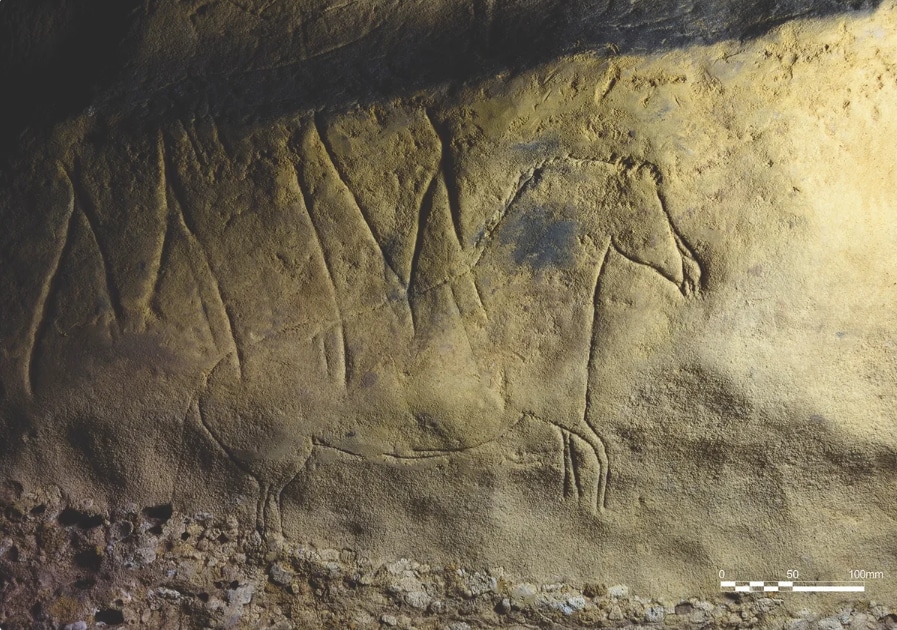
Archaeologists discover ice age art in a Spanish cave hidden by modern graffiti
krone.at · 6 Nov 2026

Syrian writer Abdul salam al-ajili blends medicine and folklore in fiction
enabbaladi.net · 8 Nov 2026