Mung Bean Genome Study Boosts Crop Improvement Efforts
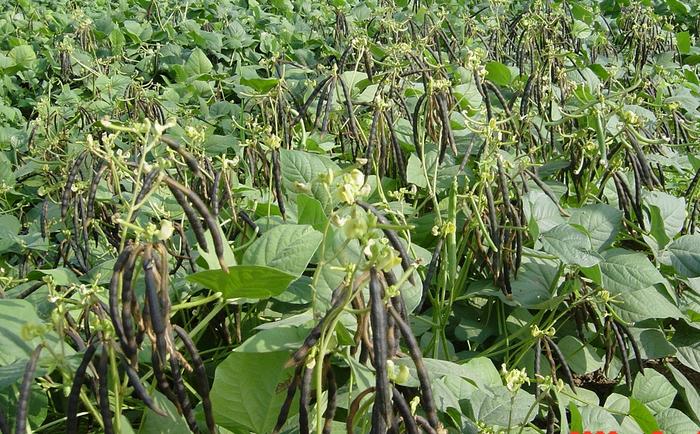
An international team of researchers mapped the pan-genome of mung beans, identifying over 66,000 structural variants linked to key traits. The study, published in Nature Genetics, assembled genomes from 580 diverse mung bean accessions and created a comprehensive resource for understanding the crop’s genetic basis.
This work reveals previously hidden genetic diversity influencing yield, nutritional quality, and resistance to pests like bruchids, which are major storage pests. The researchers pinpointed specific genetic changes, like a promoter insertion and deletion, that directly impact flavonoid content and bruchid resistance.
Australia, a major exporter of mung beans generating over $100 million in annual revenue, could benefit from varieties better adapted to rainfall variability. This pan-genome will accelerate breeding programs using techniques like marker-assisted selection and genome editing, ultimately delivering improved varieties to farmers, particularly in Asia and Africa where mung beans are a crucial food source.
Surfaced by the Discovery lens — one of the vital signs ovr.news reads.
How we evaluated this
AI summary
read the original for the full story — Read on genengnews.com . How we work →