Fossil discovery rewrites flowering plant history

Summary and headline written by AI from the source article. How we work
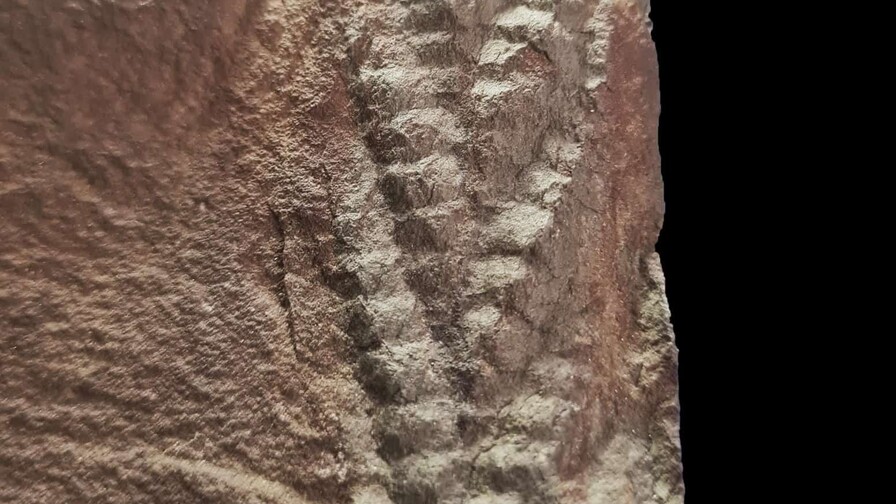
Palaeobotanists led by Xin Wang of the Nanjing Institute of Geology and Palaeontology in China discovered a fossil in Shanxi Province dating back 295 to 298.9 million years ago that appears to contain carpel-like organs enclosing seeds.
The fossil, named Permocarpelloides shuozhouensis, comes from a time period previously thought to lack flowering plants, called angiosperms.
If confirmed, this finding would move the earliest evidence of flowering plants back over 100 million years, to a time when ferns and conifers were dominant. The fossil was found in a layer of siltstone within the Shanxi Formation, a region known for its plant life from the Early Permian period. Researchers analysed the fossil using micro-computed tomography, allowing them to create a three-dimensional reconstruction without damaging the specimen.
This revealed seeds and ovules arranged in a way that suggests they were enclosed within a structure similar to a flower’s carpel, the female reproductive part. The team believes the orderly arrangement of multiple fruits within the fossil indicates they came from a single flower with multiple separate carpels, a feature seen in some modern flowering plants like magnolias. This discovery supports earlier theories about how flowering plants evolved, but also presents new complexities regarding seed placement and organ structure.
Furthermore, this fossil joins other recent discoveries of potential Early Permian angiosperms in China, hinting at a greater diversity of early flowering plants than previously known.