Gene Edit Lowers Cadmium in Rice, Maintains Yield
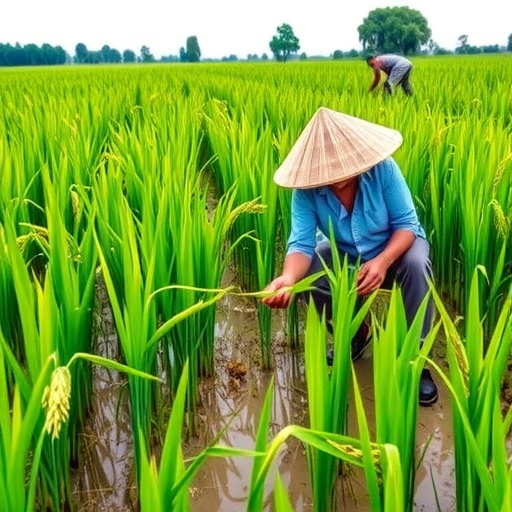
Researchers from Okayama University in Japan and China genetically edited rice to reduce cadmium accumulation without sacrificing nutritional value or yield. Cadmium contamination in rice poses a food safety risk globally, as the plant readily absorbs the toxic metal from soil.
Previous attempts to reduce cadmium levels often negatively impacted plant health or nutrient uptake. The team used base-editing to introduce a specific mutation, I441T, into the OsNramp5 gene, which controls metal transport.
This alteration increased the plant’s preference for zinc, competitively inhibiting cadmium uptake in roots and limiting its movement to the grain. Field trials on contaminated soil demonstrated a 48% reduction in cadmium concentration in the edited rice, from 0.14 to 0.07 mg/kg, while levels of essential micronutrients like iron, manganese, and zinc remained stable. The researchers believe this precision editing strategy could accelerate the development of safer rice varieties for regions with mild cadmium contamination.
Surfaced by the Thriving lens — one of the vital signs ovr.news reads.
How we evaluated this
AI summary
read the original for the full story — Read on bioengineer.org . How we work →