Rice Breeding Breakthrough Addresses Cadmium Risk in Water Conservation
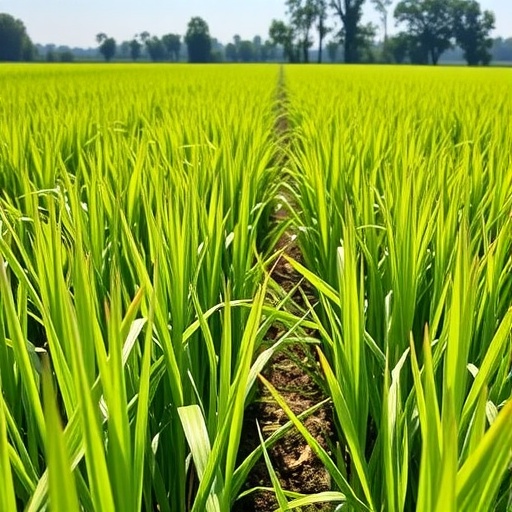
Scientists at the Chinese Academy of Sciences discovered how water-saving irrigation practices increase cadmium levels in rice and identified a genetic pathway to mitigate the risk. Researchers found that drought-induced signaling actively enhances cadmium uptake in rice roots, challenging previous assumptions about soil chemistry being the sole cause of contamination.
The team used CRISPR-Cas9 gene editing to create rice plants lacking the OsNAC4 transcription factor. These plants demonstrated a 30 to 50 percent reduction in grain cadmium content under water-stressed conditions, maintaining yield.
They pinpointed a signaling module, OsSAPK2 kinase activating OsNAC4, that controls cadmium transport via the OsNRAMP1 transporter. This discovery allows breeders to target specific genes to decouple water stress responses from cadmium accumulation, safeguarding food security while promoting sustainable irrigation. The research offers a pathway to develop climate-resilient rice varieties that minimize toxic metal contamination.
Surfaced by the Thriving lens — one of the vital signs ovr.news reads.
How we evaluated this
AI summary
read the original for the full story — Read on bioengineer.org . How we work →