Estonia expands Alutaguse National Park to protect wildlife
Summary and headline written by AI from the source article. How we work
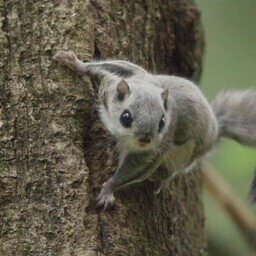
The Estonian government approved an expansion of Alutaguse National Park by 24,749 hectares, increasing its total size to 69,768 hectares. Minister of Energy and Environment Andres Sutt explained the change will connect previously fragmented protected areas within the park, benefiting species like the flying squirrel and the capercaillie.
The expansion aims to create a larger, continuous forested area, addressing the issue of isolated habitat patches.
Currently, protections for species like the flying squirrel consist of small areas around individual nest trees, which become ineffective if the surrounding forest is cleared because the animals need connected tree cover to move and find food. Most of the newly protected land, 17,237 hectares, had not been protected before, and the expansion also incorporates 97 existing core areas totaling 7,506 hectares.
In addition to forests, the park will now protect 3,040 hectares of bogs, including Virunurme bog and several others. The flying squirrel, found only in Alutaguse in Estonia, is in critical condition, and the capercaillie also relies on the park as a key habitat. Officials anticipate the expansion will boost nature tourism and related businesses, building on recent investments in attractions like a treetop nature trail and a nature spa.
The process began with a directive from the climate minister in October 2024 and included a public comment period, during which some restrictions were eased and residential land was removed from protection.