Astronomers find real celestial bodies in Van Gogh's starry night
Headline and summary by local AI
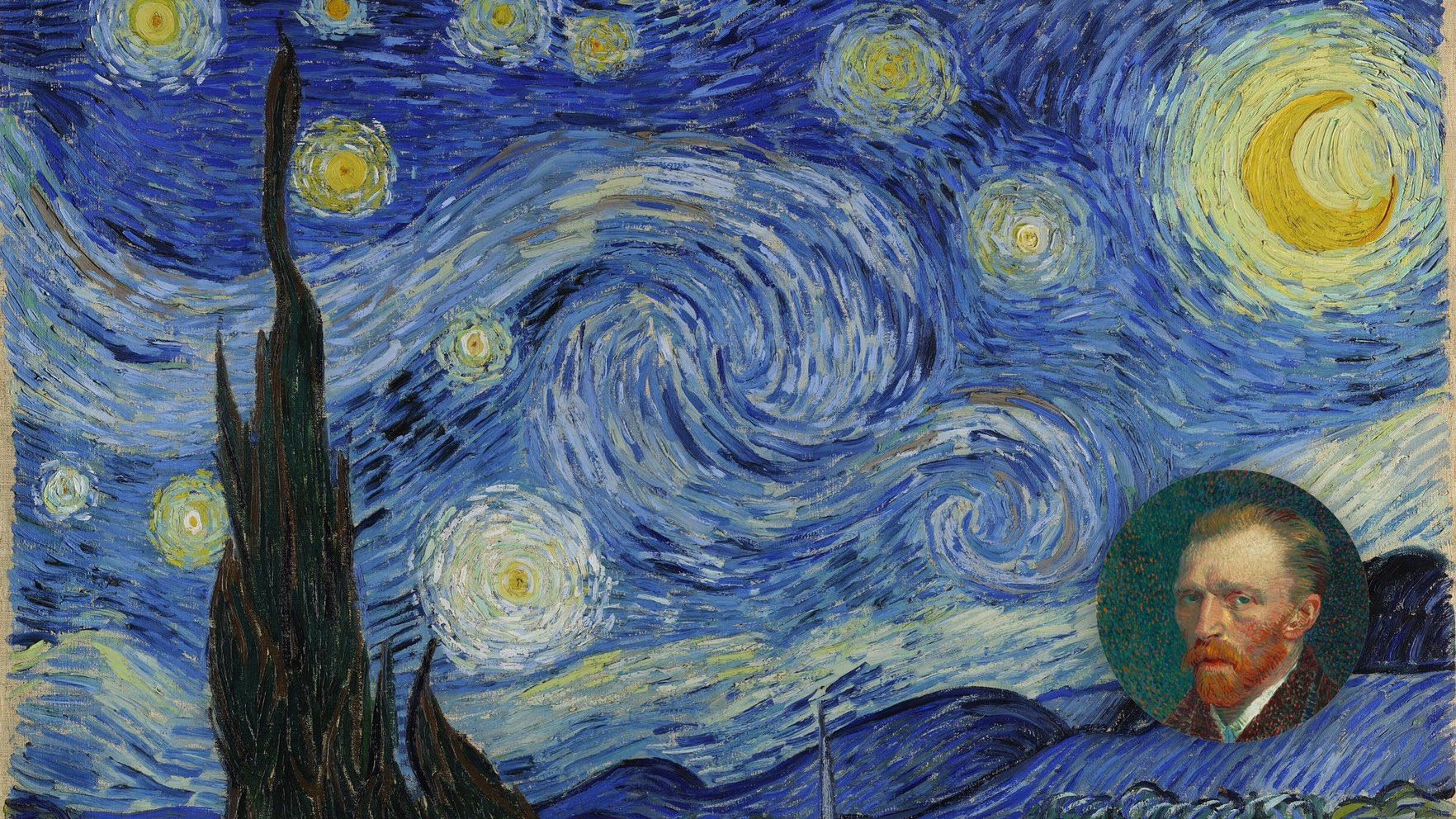
A team of South Korean astronomers identified specific celestial bodies in Vincent van Gogh's famous painting, Starry Night.
The painting depicts a view from a window while the artist stayed at an asylum in Saint-Rémy, France. For over a century, many believed the sky in the work was a product of the artist's imagination rather than a literal observation. The researchers published their findings in the journal Nature Scientific Reports.
They argue that the painting reflects the actual position of celestial bodies as they appeared on the morning of July 22, 1889. The team identified a crescent moon, the planet Venus positioned diagonally below it, and five bright stars from the Hyades, which is a star cluster in the constellation Taurus. The study used modern astronomy software to reconstruct the sky from over 100 years ago.
Researchers also analyzed the artist's letters and local weather archives to determine the exact timing. While the painting was generally thought to have been created in mid-June 1889, the team suggests it was actually painted later in the summer.
Selected and summarized by local AI How we work
More in Discovery
Artur Ramon Art hosts exhibition highlighting century of family heritage
vilaweb.cat · 8 Nov 2026

The Feejee Mermaid replica sparks interest in 19th century science hoaxes
phys.org · 4 Nov 2026

Humans balance victim compensation and future deterrence in shared sense of justice
psypost.org · 6 Nov 2026