South Korean astronomers identify real celestial bodies in Van Gogh painting
Headline and summary by local AI
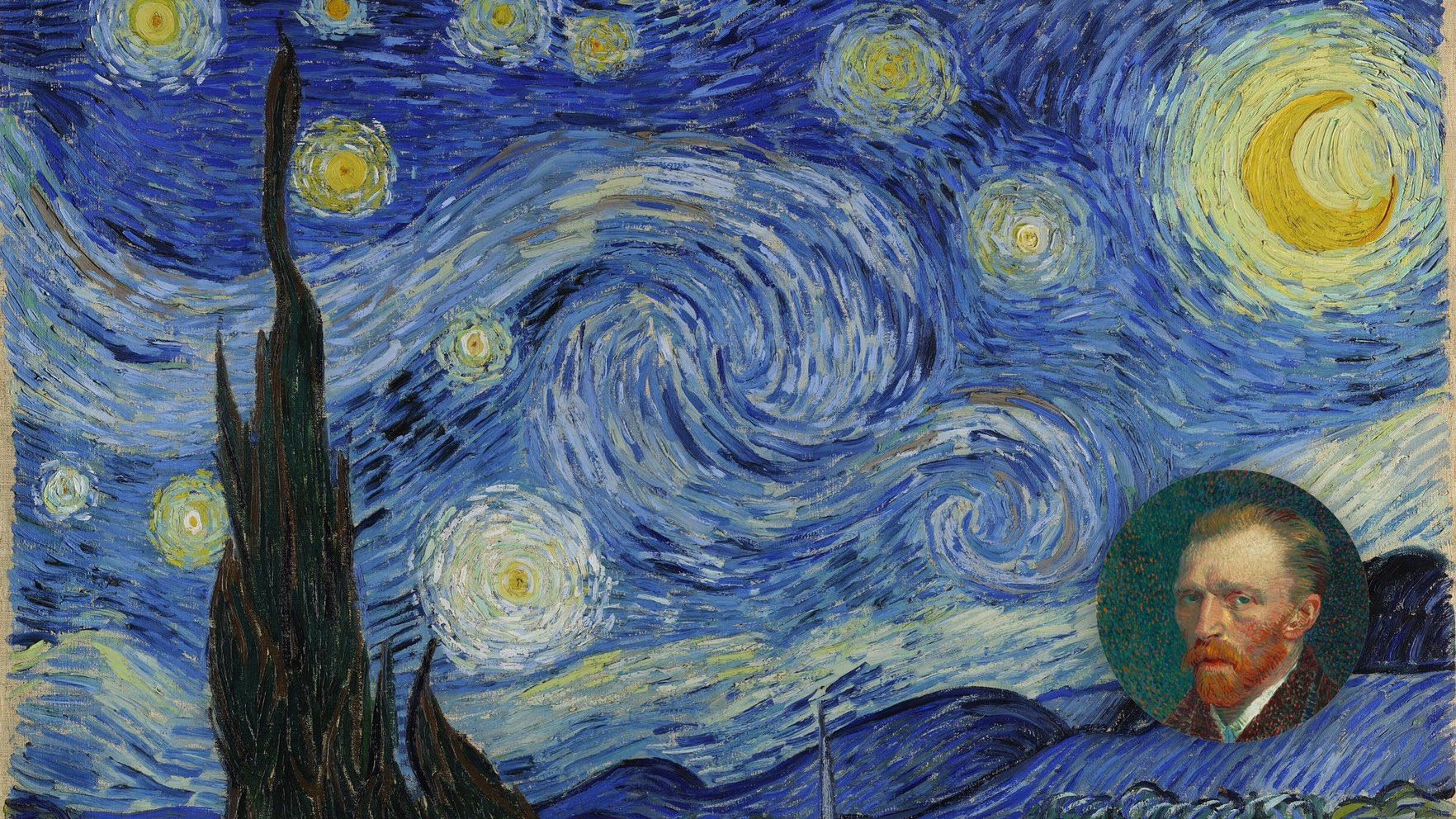
South Korean astronomers identified specific celestial bodies in Vincent van Gogh's "The Starry Night" painting, suggesting the work reflects real observations rather than pure imagination.
A team of researchers led by Elijah Johns Kim published their findings in the journal Nature Scientific Reports. While many people previously viewed the 1889 painting as a product of the artist's imagination while he was in a psychiatric hospital in Saint-Rémy, France, the scientists argue the work depicts a specific arrangement of the sky.
They believe the painting shows the view as it appeared on the morning of July 22, 1889, featuring a crescent moon, the planet Venus, and five bright stars from the Hyades cluster in the Taurus constellation. The team used modern astronomy programs like Stellarium to reconstruct the positions of celestial bodies from over 100 years ago. They also analyzed the painting's visual details, Van Gogh's personal letters, and historical weather records from that summer.
Although some estimate the painting was created in mid-June 1889, the researchers argue it was painted later based on the specific alignment of the moon and stars.
Selected and summarized by local AI How we work