Unique leech species found only in four caves on mount Velebit
Headline and summary by local AI
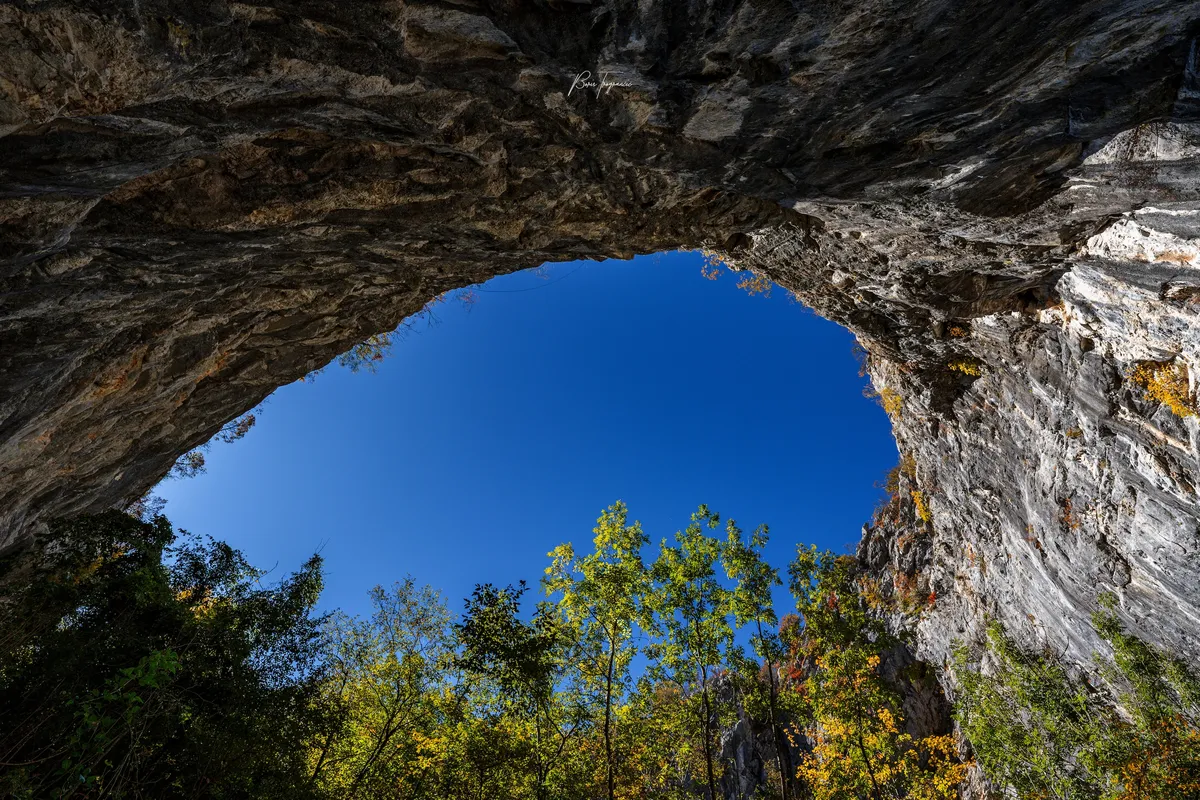
Scientists and speleologists identified a unique species of leech, known as the Meštrova or Velebit leech, living in the deep caves of Northern Velebit in Croatia.
This aquatic creature is a troglobiont, meaning it spends its entire life underground in water temperatures ranging from 4 to 6 degrees Celsius. Unlike other known leeches, this species possesses four pairs of triangular suckers around its mouth, each featuring five finger-like projections.
It also has pairs of rigid projections along its sides that researchers believe are gills. The National Park Sjeverni Velebit reports that this specific leech inhabits only four deep caves within the park. Researchers first found samples in Lukina jama, a cave reaching a depth of 1,431 meters. While the species belongs to the freshwater leech family Erpobdellidae and is related to the Dina genus, its physical adaptations to subterranean life distinguish it from its relatives.
The largest known colony of these leeches lives in the Velebiti cave, with another large population recorded in the Slovačka jama in 1997. The history of these caves involves complex exploration by various teams. In 1992, Slovak speleologists reached 190 meters in a cave they named Manuel I before being forced back by heavy rain and underground waterfalls. Croatian teams later pushed deeper, reaching 1,355 meters in 1993.
Divers eventually explored a siphon connecting to the Trojama entrance, and the final depth of 1,431 meters was recorded in 2013. The caves also contain ancient remains, including wood dated to roughly 410 years ago and fossils estimated to be 50,300 years old.
Selected and summarized by local AI How we work
More in Discovery
Archaeologists discover a first century Roman settlement in Murcia, Spain
observador.pt · 3 Nov 2026

Neandertal built complex architectural structures in deep caves
sciencesetavenir.fr · 11 Nov 2026

Rohit De and Ornit Shani reconstruct India's Constitution making as a participatory process
scroll.in · 7 Nov 2026