Neanderthal DNA linked to greater muscle mass

Summary and headline written by AI from the source article. How we work
Researchers at the Max Planck Institute for Evolutionary Anthropology in Leipzig, Germany, investigated a growth hormone receptor gene to understand how Neanderthal DNA affects modern humans.
The team examined two versions of the receptor, one found in Homo sapiens and another inherited from Neanderthals, both of which still exist in the human gene pool. They discovered people carrying two copies of the Neanderthal gene variant tend to have more muscle mass.
The study revealed individuals with the Neanderthal gene variant on both chromosomes averaged about half a kilogram more muscle than those without. Researchers analyzed data from biobanks and found the gene’s connection to increased body weight was largely due to greater muscle mass. This finding aligns with existing knowledge of Neanderthals, who were known for their robust builds and strong bones.
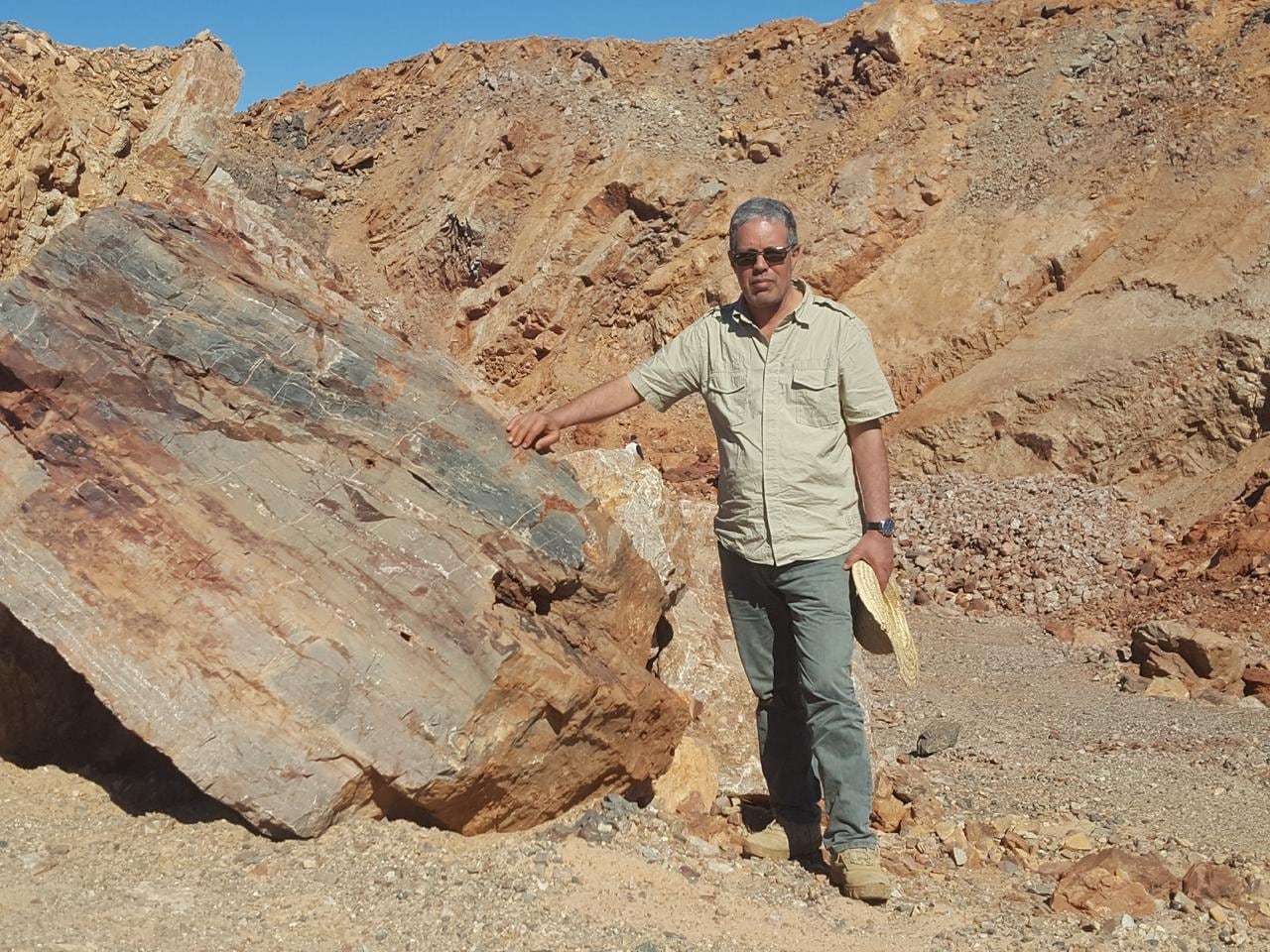
Anthropologist Gerhard Weber, who was not involved in the study, noted that people with the Neanderthal variant appear more powerfully built. The research team also identified a member of their own group, geneticist Tomislav Maricic, who carries the gene and exhibits the expected physical traits. He is notably large and muscular. While the effect of the gene is measurable, researchers emphasize its impact is not overwhelmingly large.