Burgenland’s Seven Jewish Communities Remembered
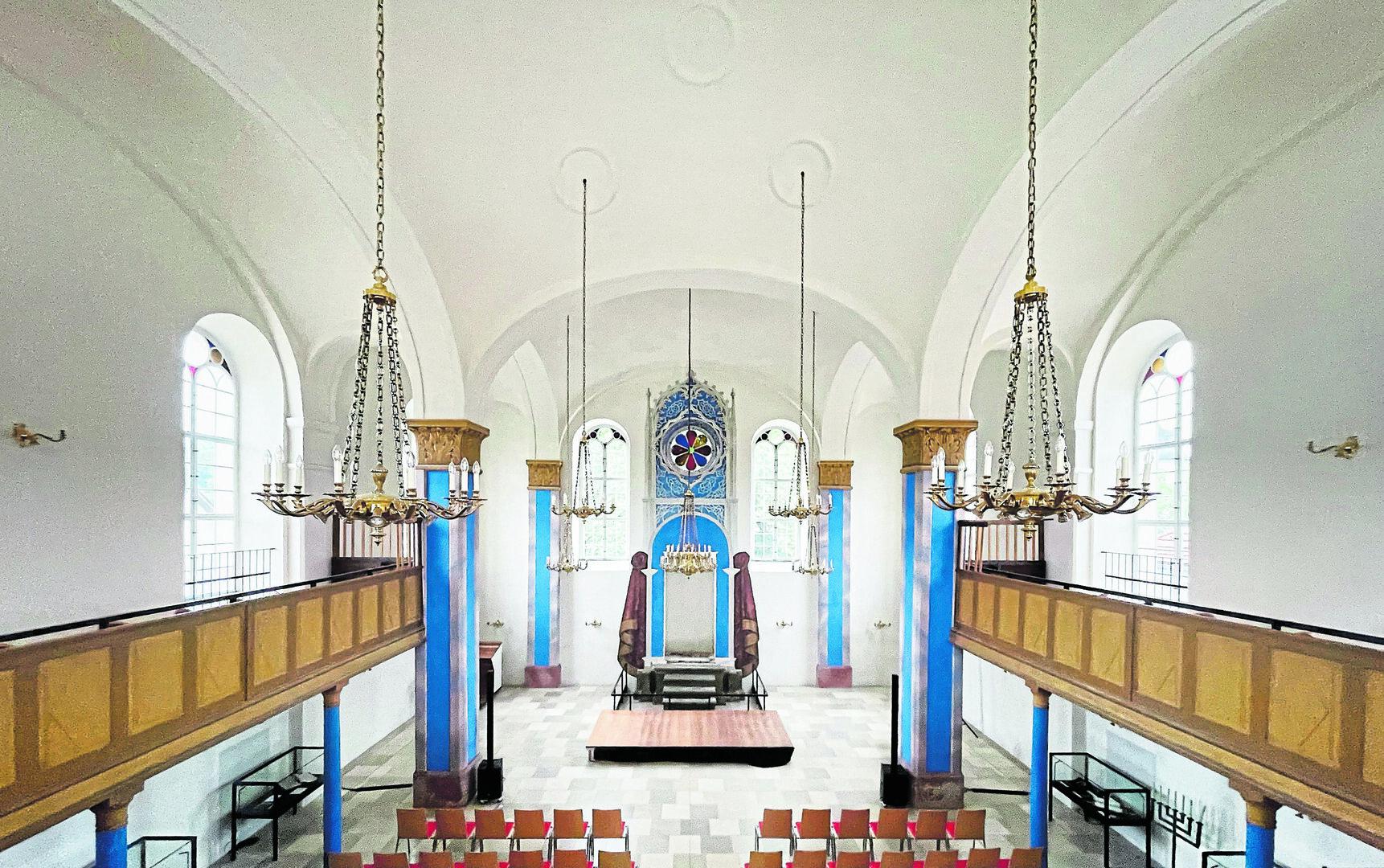
Why this is here: Approximately 30 percent of Jewish people from Burgenland’s seven communities were murdered in Nazi concentration camps.
Margaretha Kopeinig profiles the former seven Jewish communities of Burgenland, Austria, in her new book, Jüdisches Burgenland – Begegnungen mit einer zerstörten Kultur. These communities—Eisenstadt, Mattersburg, Kittsee, Frauenkirchen, Kobersdorf, Lackenbach, and Deutschkreutz—were established under the protection of the Esterhazy princes starting in 1670. For over 250 years, they allowed Jewish residents a largely autonomous life with their own schools and courts.
Life within these communities was surprisingly cosmopolitan. Recognized rabbis and intellectuals worked there, attracting literary figures like Hugo von Hofmannsthal and Franz Werfel.
Alexander Wolf, a vintner and patron of the arts, founded the Landesmuseum in 1926. However, following the 1938 annexation of Austria, Wolf was arrested and forced to relinquish his art collection and wealth.
The year 1938 marked the end for all seven communities. Roughly 30% of Jewish people from these towns were murdered in Nazi concentration camps, and few returned after the war.
Paul Rosenfeld, a resident of Frauenkirchen, requested burial in Vienna, stating he did not trust his hometown. A comprehensive historical overview of Jewish life in Burgenland remains unwritten, but Kopeinig’s work offers valuable portraits of a lost culture.
Surfaced by the Discovery lens — one of the vital signs ovr.news reads.
How we evaluated this
AI summary
read the original for the full story — Read on kurier.at . How we work →