The Shifting Roles of Care: Navigating Aging Parents and Family Dynamics
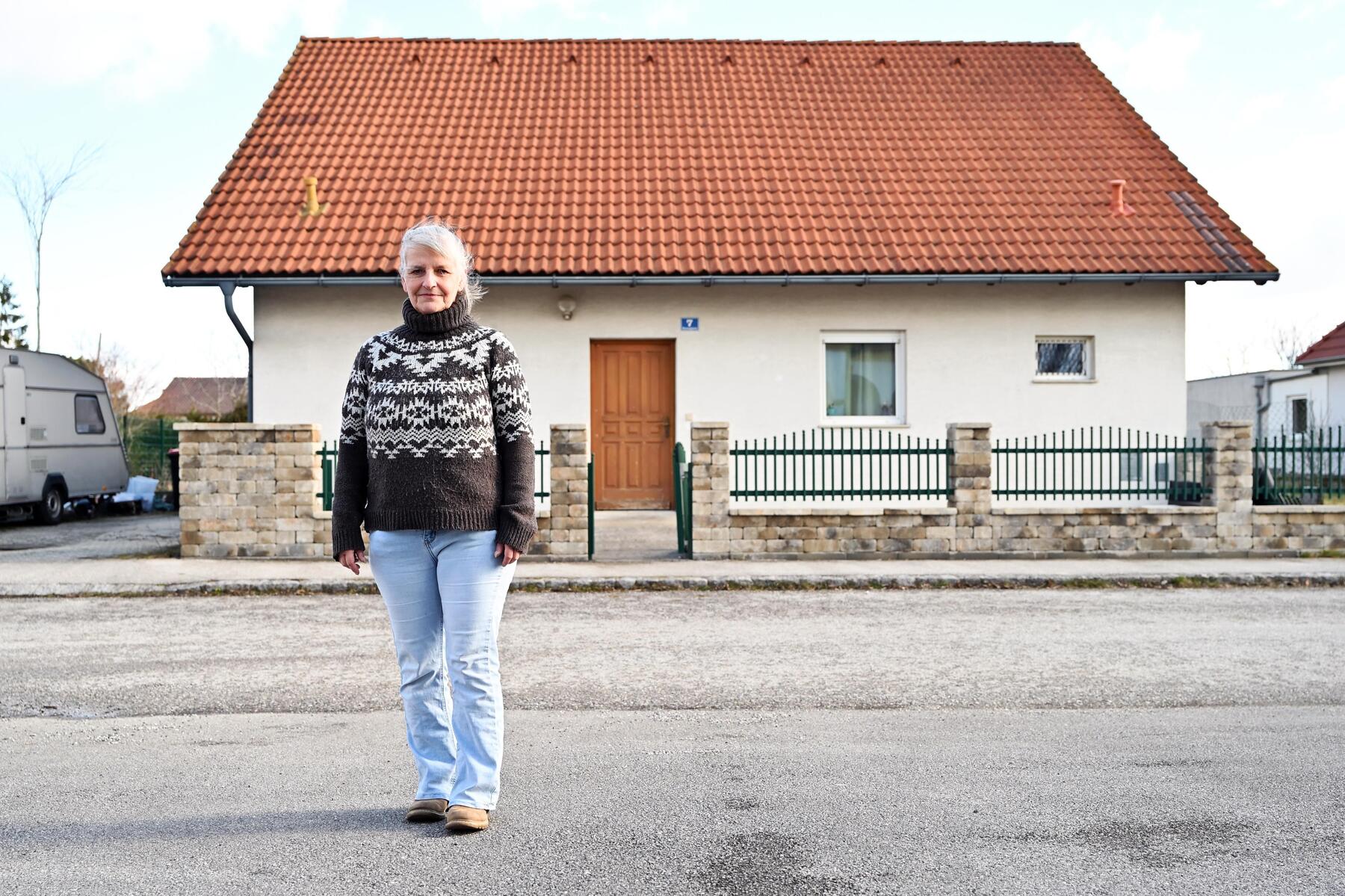
Vienna, Austria – As parents age, family dynamics inevitably shift. A recent report highlights the complex emotional and practical challenges faced by adult children caring for aging parents, emphasizing the evolving roles within the family unit and the importance of open communication.
Maria Mauk’s experience exemplifies this journey. After her mother, Sissy, received a lung cancer diagnosis, Mauk transitioned from daughter to caregiver, a role that demanded increasing responsibility – from assisting with daily tasks like dressing and eating to managing medical appointments and emotional needs.
This transition wasn’t without its difficulties. Sissy, a strong-willed woman accustomed to independence, initially resisted help, leading to tense moments as Mauk balanced respecting her mother’s autonomy with ensuring her safety.
Experts like family counselor Elisabeth Döring identify three phases of this role reversal: initial separation during adolescence, establishing independence as children form their own families, and finally, the return of caregiving needs in old age. Döring notes that the third phase often brings uncertainty and self-doubt, as adult children grapple with the shift from receiving care to providing it.
The report underscores the importance of proactive conversations about future care preferences. Discussing finances, living arrangements, and medical wishes before a crisis hits can alleviate stress and prevent conflict. Creating a "notfallmappe" (emergency folder) outlining these wishes can serve as a valuable guide.
Philosopher Barbara Bleisch raises a challenging question: do children owe their parents care? She argues against the notion of filial piety as an obligation, emphasizing that relationships are reciprocal, not based on debt. However, she stresses that respect remains paramount.
For Mauk, the experience was ultimately marked by love, gratitude, and a bittersweet sense of relief when Sissy passed away. “I was first a child, then an adult, then a decision-maker, and finally a caregiver,” she reflects. The report emphasizes that while the journey is challenging, it also presents an opportunity for deeper connection and closure.
The report concludes that while the future is unpredictable, acknowledging the inevitability of aging and embracing open communication are crucial steps in navigating the evolving roles within families.
Surfaced by the Belonging lens — one of the vital signs ovr.news reads.
How we evaluated this
AI summary
read the original for the full story — Read on diepresse.com . How we work →