Returned artifacts spark cultural revival
Summary and headline written by AI from the source article. How we work
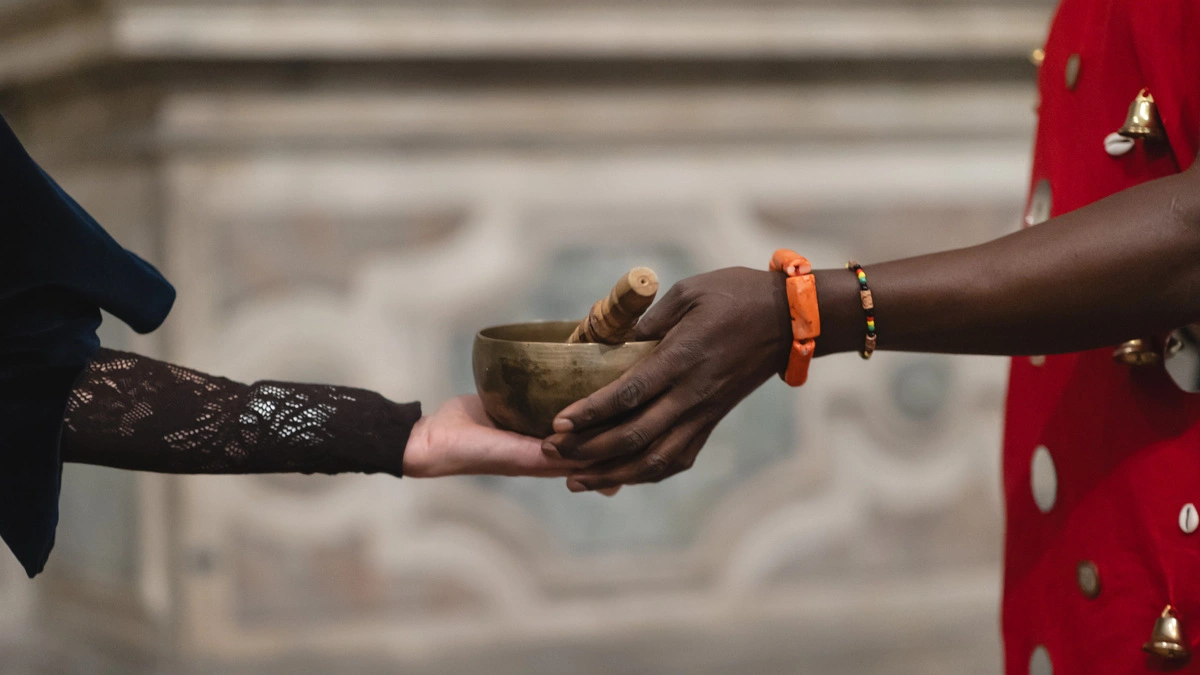
Historians and artists in several countries are observing how the return of colonial-era artifacts impacts communities of origin.
Khadija von Zinnenburg Carroll and her team at the Central European University studied restitution processes in Mexico, Australia, Benin, Nigeria, and Namibia. They found that the return of cultural objects often triggers renewed cultural practices centered on remembrance, re-creation, and inspiration.
The research began after 174 shell figures belonging to the Anindilyakwa people of Groote Eylandt, a northern Australian island, were returned from the University of Manchester museum three years ago. This repatriation prompted a surge of artistic activity, including a collaborative exhibition called “Tide of Returns” displayed alongside the Venice Biennale. Artists from the Anindilyakwa community created a new installation featuring 3,000 handmade figures, inspired by the returned originals and incorporating materials like discarded fishing nets.
The exhibition also included contributions from Namibian artists who reclaimed fertility dolls previously taken by German colonial authorities and returned in 2022. Von Zinnenburg Carroll notes that for many postcolonial communities, the return of these objects represents more than just reclaiming possessions, it’s about restoring dignity, respect, and equality. Some Māori people of New Zealand even prefer that certain artifacts remain in Europe, viewing them as ambassadors representing their culture.