Genome Study Revises Migration After Rome
Why this is here: The genomes revealed that women in the study had a life expectancy of about 40 years, while men lived to roughly 43, indicating high mortality rates and challenging traditional views of the era.
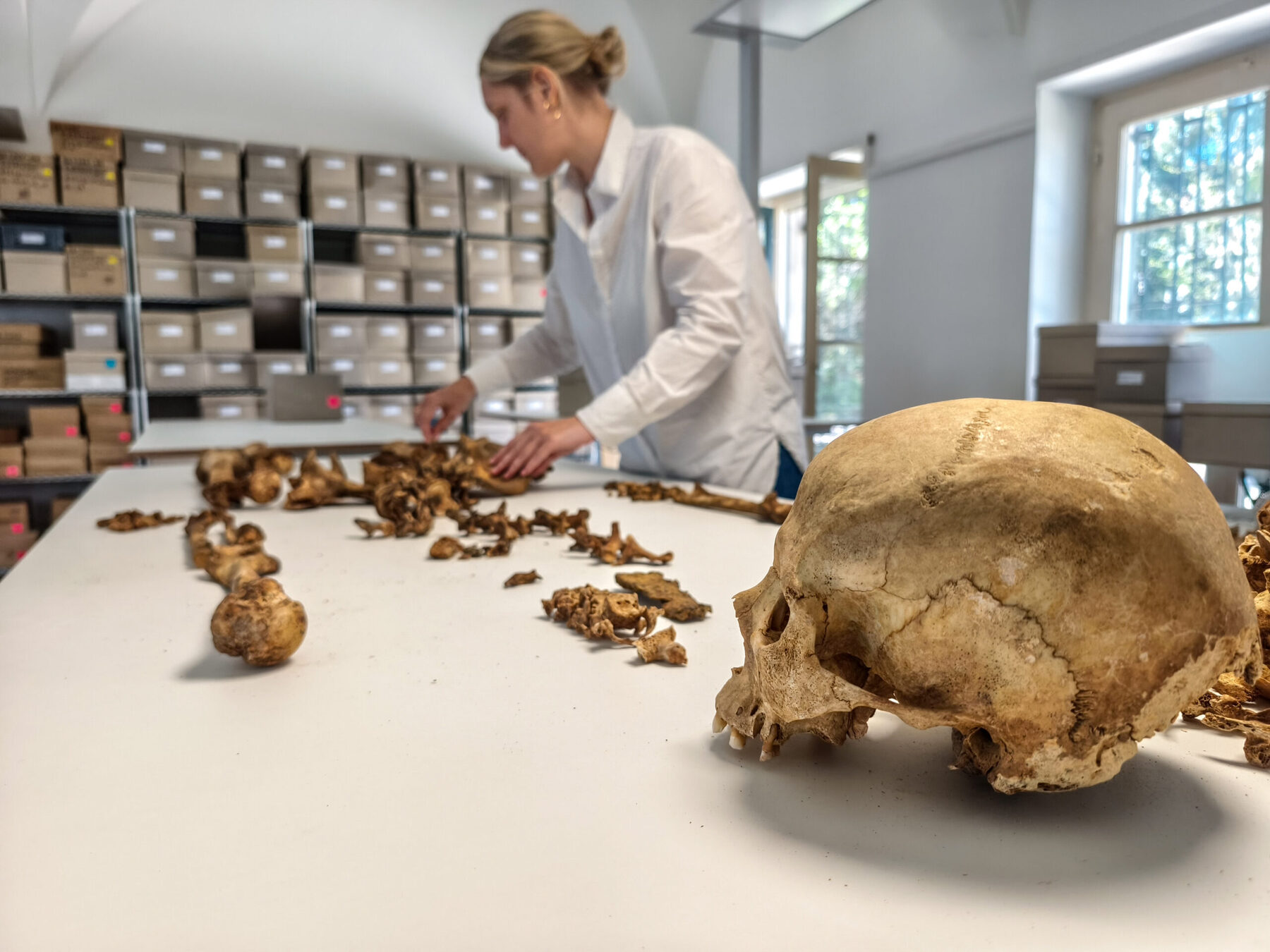
A team led by Joachim Burger at the University of Mainz analyzed 258 genomes from skeletal remains found in a Roman border region of southern Germany between 400 and 700 CE. Researchers compared these genomes to roughly 2900 ancient and modern genomes from Germany. The analysis shows that after the fall of the Western Roman Empire, people with northern European ancestry intermixed with diverse groups already living in the region.
Surprisingly, the study found people of northern European descent were present in present-day southern Germany before the empire’s collapse. These individuals seemingly lived separately, perhaps as agricultural laborers, and integrated quickly after 470 CE. The team suggests this pattern likely extends to other parts of central Europe, including Austria, where many cities developed on or near former Roman territory.
However, historian Walter Pohl from the University of Vienna cautions against oversimplification. While the study focuses on a specific region where large migrations weren’t expected, it doesn’t disprove larger movements elsewhere, like those of the Avars from Mongolia in the 6th century. Further research will continue to refine understanding of population shifts during this period.
Surfaced by the Discovery lens — one of the vital signs ovr.news reads.
How we evaluated this
AI summary
read the original for the full story — Read on diepresse.com . How we work →