Tasmania Apologizes for Stolen Remains
Why this is here: The South Australian Museum currently holds almost 5,000 ancestral remains, kept in a secure “Keeping Place” until they can be returned to their communities.
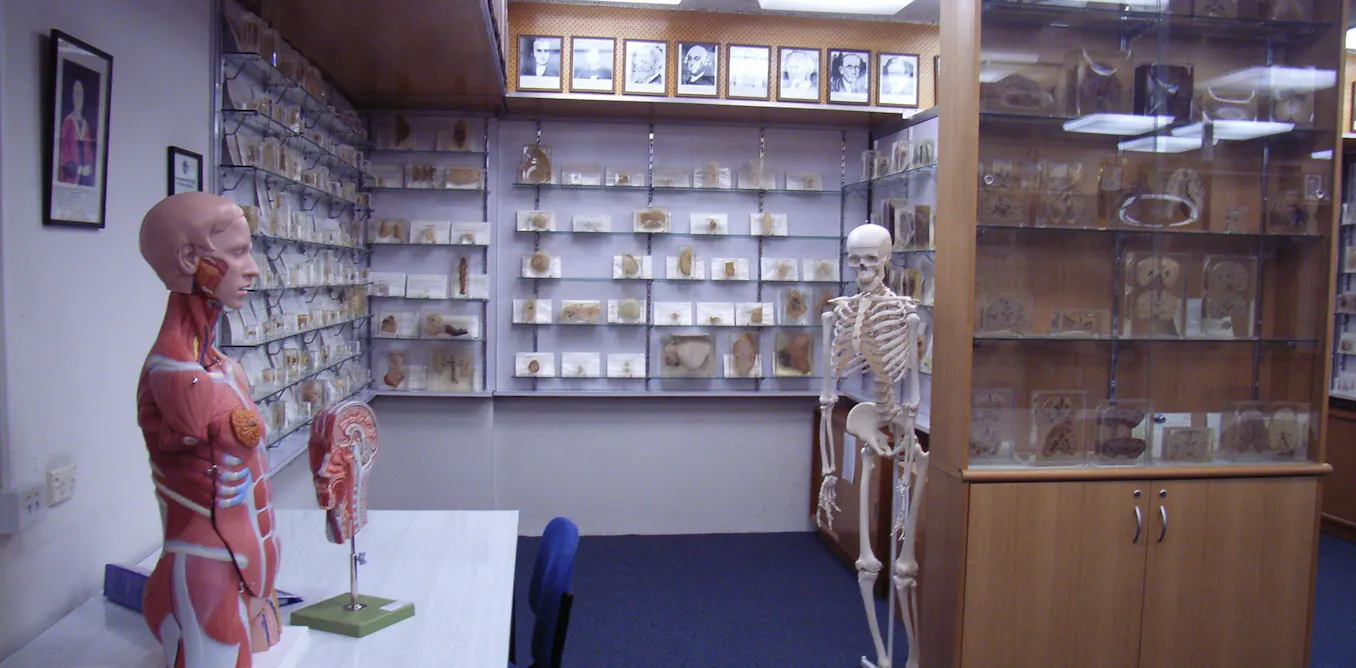
Tasmania’s health minister Bridget Archer this week apologized to families affected by the unauthorized keeping of human remains at the RA Rodda Pathology Museum. The museum, established in 1966, holds about 2,700 human body parts, with at least 177 obtained without family consent between 1966 and 1991. Pathologists at Tasmania’s Department of Health took these organs and tissues following autopsies.
Recent audits in 2023 and 2024 revealed that the Queensland Museum, the National Museum of Australia, and the Australian Museum collectively store over 600 ancestral remains from the Pacific region. Many of these remains—including brains, skulls, and children’s bones—originated from the late 19th and early 20th century trade of Indigenous remains. Similar collections exist in universities, with many bones possibly originating from India, a major exporter of human remains until 1985.
The Rodda Museum removed the stolen body parts from display in 2018. They identified 100 individuals and respectfully disposed of all remains with family knowledge or in accordance with the law.
Museums Victoria repatriated over 2,200 individuals to Indigenous communities between 1985 and 2016, and other institutions are establishing similar programs. However, fully identifying the origins of all remains and addressing past wrongs remains a complex undertaking.
Surfaced by the Discovery lens — one of the vital signs ovr.news reads.
How we evaluated this
AI summary
read the original for the full story — Read on theconversation.com . How we work →