Ancient Grass Reveals Clues to Aboriginal Land Management
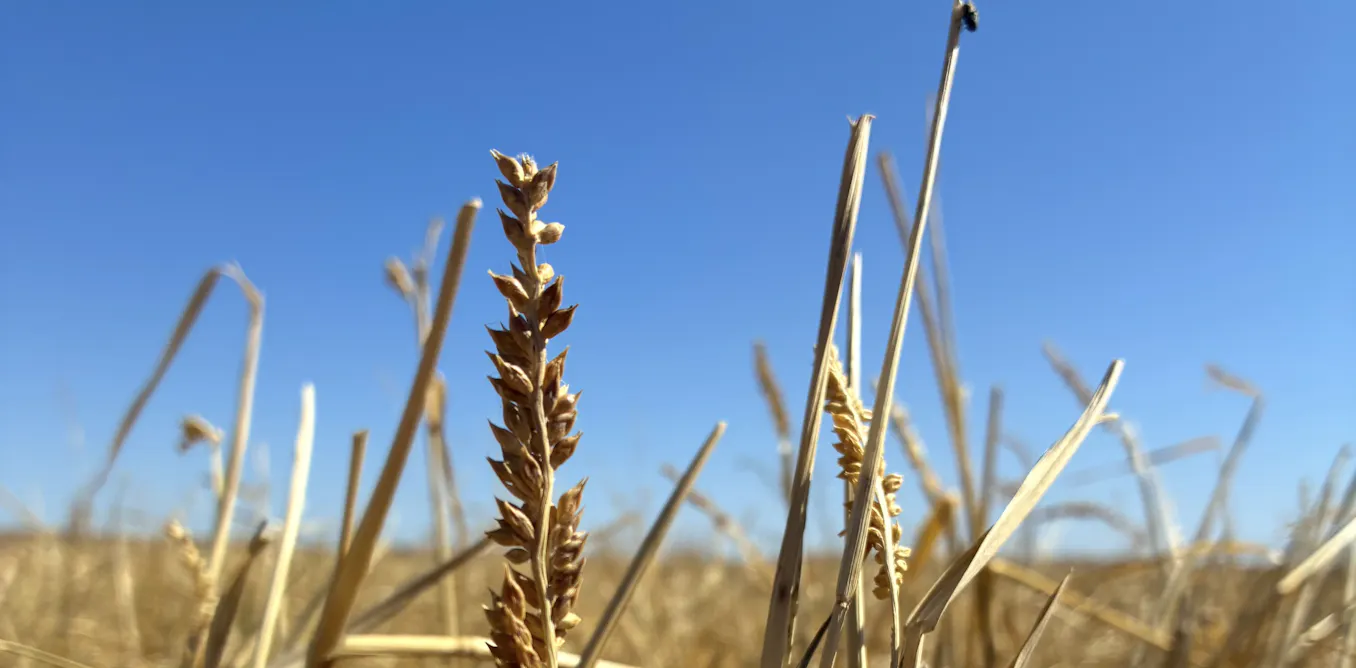
Researchers in Australia have analyzed the genome of channel millet (Echinochloa turneriana), a native grass harvested by the Mithaka people of southwest Queensland for at least 3,000 years, revealing a surprisingly complex genetic structure. The study, published in Nature Communications, found the grass possesses twelve copies of each chromosome, a condition called polyploidy, commonly seen in domesticated crops like wheat and sugarcane.
This genetic trait may explain the plant’s resilience in the harsh, flood-prone environment of the Channel Country. The Mithaka people traditionally used channel millet as a food source, and archaeological evidence, including numerous grinding stone quarries, demonstrates their sophisticated understanding of local ecosystems.
The research suggests that human harvesting practices, favoring plants with large, non-shattering seeds, may have played a role in the evolution of the grass’s unique genetic makeup. This discovery builds on growing recognition of Aboriginal people’s active role in shaping Australian vegetation. Future research will combine genomic data with archaeological evidence and Indigenous knowledge to gain a more complete understanding of the long-term relationship between the Mithaka people and their environment, potentially informing the development of future food sources.
Surfaced by the Discovery lens — one of the vital signs ovr.news reads.
How we evaluated this
AI summary
read the original for the full story — Read on theconversation.com . How we work →