Alice Duncan-Kemp observed Mithaka life, leaving a complex legacy
Summary and headline written by AI from the source article. How we work
Alice Duncan-Kemp, who lived on Mooraberrie station in Queensland, Australia, from 1901 to 1988, documented Mithaka culture through her writings and observations.
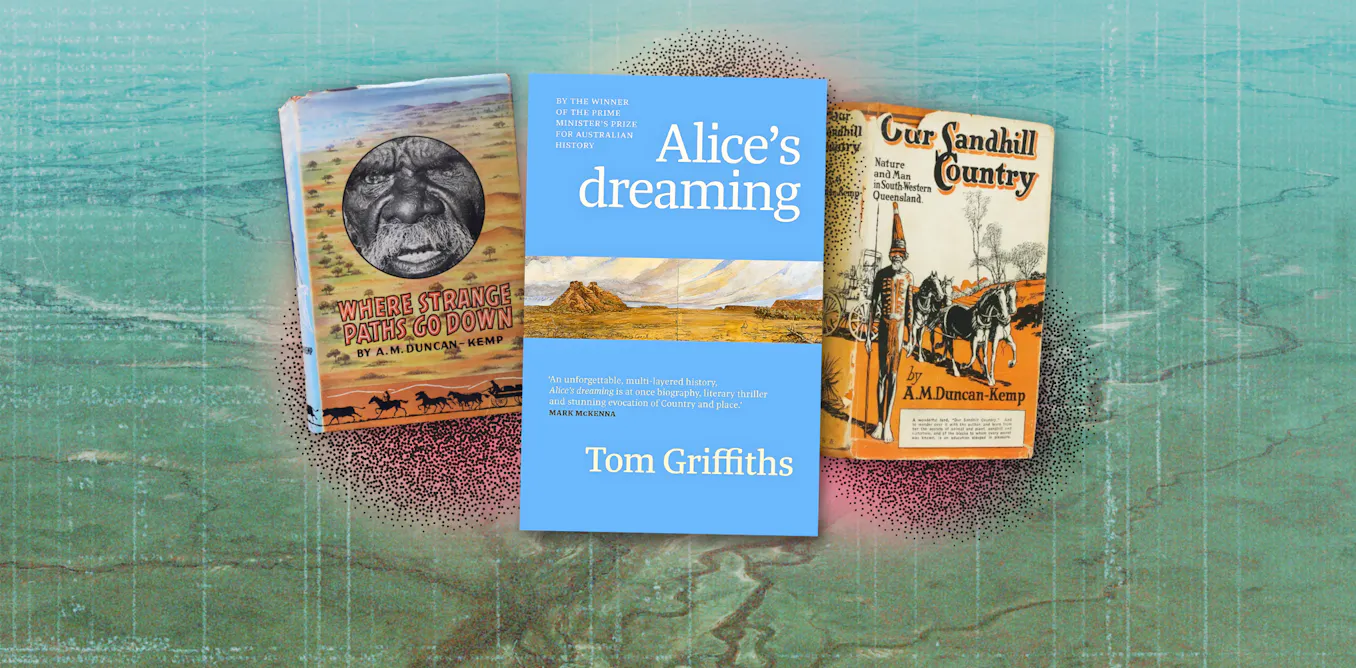
The Mithaka people are the traditional owners of the Channel Country region, a determination formally recognised in 2015. Duncan-Kemp published five books detailing her childhood experiences in close contact with the Mithaka, and these writings provided crucial evidence for the native title determination.
Historian Tom Griffiths examines Duncan-Kemp’s work in his book Alice’s Dreaming, noting that the concept of “dreamtime” originated from early anthropological research by Frank Gillen and Baldwin Spencer. While earlier anthropologists used terms like “dream-times”, later scholars, including W.E.H. Stanner, preferred “Dreaming” to better convey the complex meaning of the concept for Aboriginal people, who often use specific local terms like “Altyerra” or “Bugarrigarra”.
Griffiths argues Duncan-Kemp’s perspective as a white child offers a unique lens on Mithaka understandings of their Country. Griffiths details how Mithaka people skillfully worked on Mooraberrie station, performing both agricultural labor and ceremonial practices like the “goose corroboree” to ensure a plentiful harvest. He also recounts the violent history of the region, including massacres of Mithaka people by the Native Mounted Police, and how survival often depended on maintaining a relationship with white leaseholders after the repressive 1897 Act.
Contemporary descendants of both Duncan-Kemp and Mithaka people are now collaborating to revitalise cultural knowledge, building on Duncan-Kemp's early work, though Griffiths notes a lack of engagement with present-day issues like the repeal of Queensland’s Path to Treaty Act.