Young women experience post-traumatic growth after losing mothers
Headline and summary by local AI
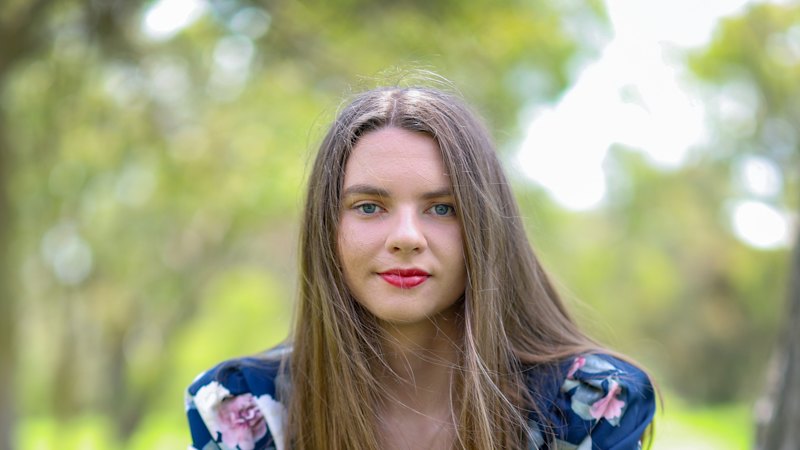
Maddie Taylor, now 22, moved through a period of intense isolation and personal development after her mother, Julie, died of bowel cancer in 2019.
Living in Melbourne, Australia, Taylor faced the loss of her primary support network during a city-wide lockdown. This experience accelerated her transition into adulthood, forcing her to manage her own finances, household, and medical appointments without parental guidance.
Therapist Amanda Lambros notes that children who lose their mothers early often develop a fierce independence or a "high achiever" persona. Lambros suggests these individuals may work harder to prove their success because their mothers are not there to witness their milestones. Other survivors, such as Paul Bennell, describe this drive as a deliberate avoidance strategy to project a bright future while processing deep internal pain.
Danielle Snelling co-founded Motherless Daughters Australia to provide peer support for women who lost their mothers before age 25. Snelling argues that these women face a unique developmental void during major life milestones like graduation or marriage. The charity now provides support programs to 15,000 women. While the grief remains a constant presence, many survivors use the experience as a catalyst for personal ambition and resilience.
Selected and summarized by local AI How we work
More in Thriving
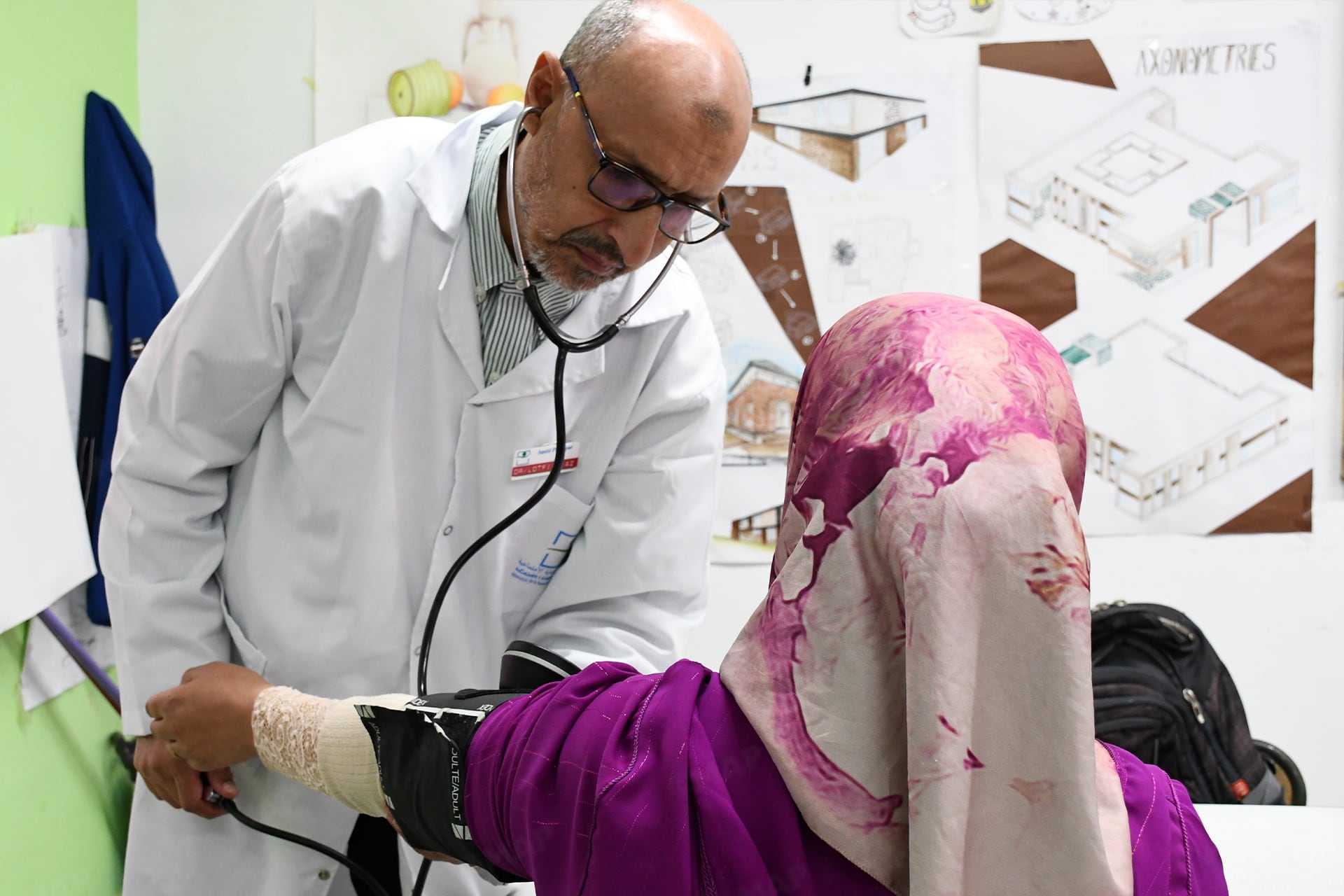
Mobile medical caravan provides free healthcare to remote villages in Morocco
en.le360.ma · 13 Nov 2026

Construction company finishes bridge in Morang ten months early
english.ratopati.com · 9 Nov 2026

Austrian workers' chamber secures 7,500 Euro for apprentice after wage theft
kaernten.orf.at · 5 Nov 2026