Dutch Migrants’ “Invisible” Histories Surface in Australia
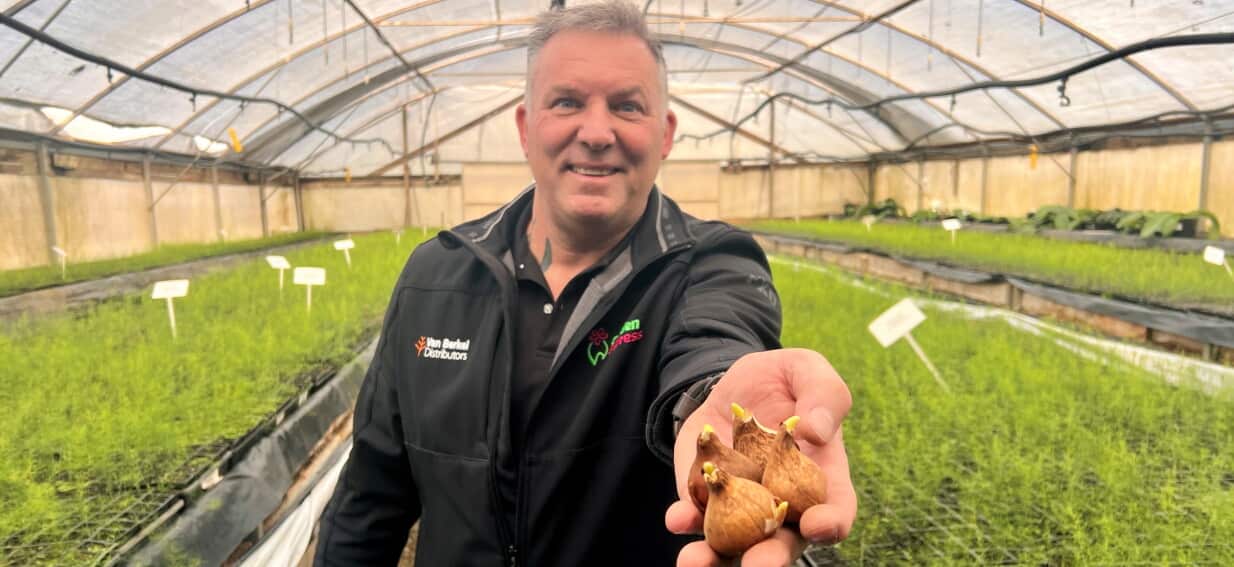
David Van Berkel, a third-generation tulip farmer in Victoria, Australia, is working to preserve the fading Dutch language, stories, and history within his family and the wider Dutch-Australian community. Following World War Two, Australia encouraged assimilation of migrants, often discouraging the use of native languages.
This policy, coupled with intermarriage and integration, led to a significant language shift among Dutch Australians, with census data showing a minority now speak Dutch at home. Many Dutch migrants arrived carrying trauma from the war, forced labor, family separation, and loss, but were expected to quickly integrate without acknowledging those experiences.
Historians and community groups are now recovering these "invisible" histories through projects like the “From the Lowlands to the Ranges” exhibition in Monbulk, documenting the hardships and contributions of Dutch migrants who often found opportunity and built new lives in Australia. The Monbulk Historical Society is compiling these stories into a book, due out in August, aiming to ensure future generations understand the sacrifices and resilience of those who came before them.
Surfaced by the Belonging lens — one of the vital signs ovr.news reads.
How we evaluated this
AI summary
read the original for the full story — Read on sbs.com.au . How we work →